
If the government is serious about national renewal, it needs to make explicit the link between economic renewal and community empowerment.
They can do this by backing organisations that prove this model works – particularly on our high streets. In a year when much of the country will head to the polls in local elections, high streets are emerging as a pressure point and a proxy for how real the story of renewal feels day to day.
That is why the government should back and celebrate fantastic examples of community-led high street renewal, such as Nudge Community Builders in Plymouth. I visited Nudge last week with representatives from central government working to unlock community power across the nation through initiatives including the Pride in Place programme, the Community Right to Buy, the Community Wealth Fund, and targeted policies such as High Street Rental Auctions and a forthcoming high streets strategy.
Organisations like Nudge are already building a high street that is fit for the future. They offer a compelling case study for the government’s stated vision for national renewal – one that flows from local growth to proud and resilient communities. But more needs to be done to create favourable conditions for community-led renewal.
Transforming the high street
The government should expand the logic of Pride in Place, which puts communities in charge of decision-making, to plans for high street renewal, making clear the link between local growth and local pride.
That means giving communities powers and resources to go beyond short term (though admittedly needed) fixes – hanging baskets and shopfronts – to drive transformative, future fit high streets that keep money in the local economy and empower people to change things together.
That could look like space for hyper-local recycling projects, empowering communities to live sustainably and making useful products out of used plastic collected in the community not fit for mainstream waste management. Or retrofitting a nightclub – vacant for ten years – to house young people on affordable rent, with the ambition to make apprenticeships as socially enriching as university. Or using the formerly flooded basement of the same building to start an urban mushroom farm, bringing in much needed profit while renovations are underway.
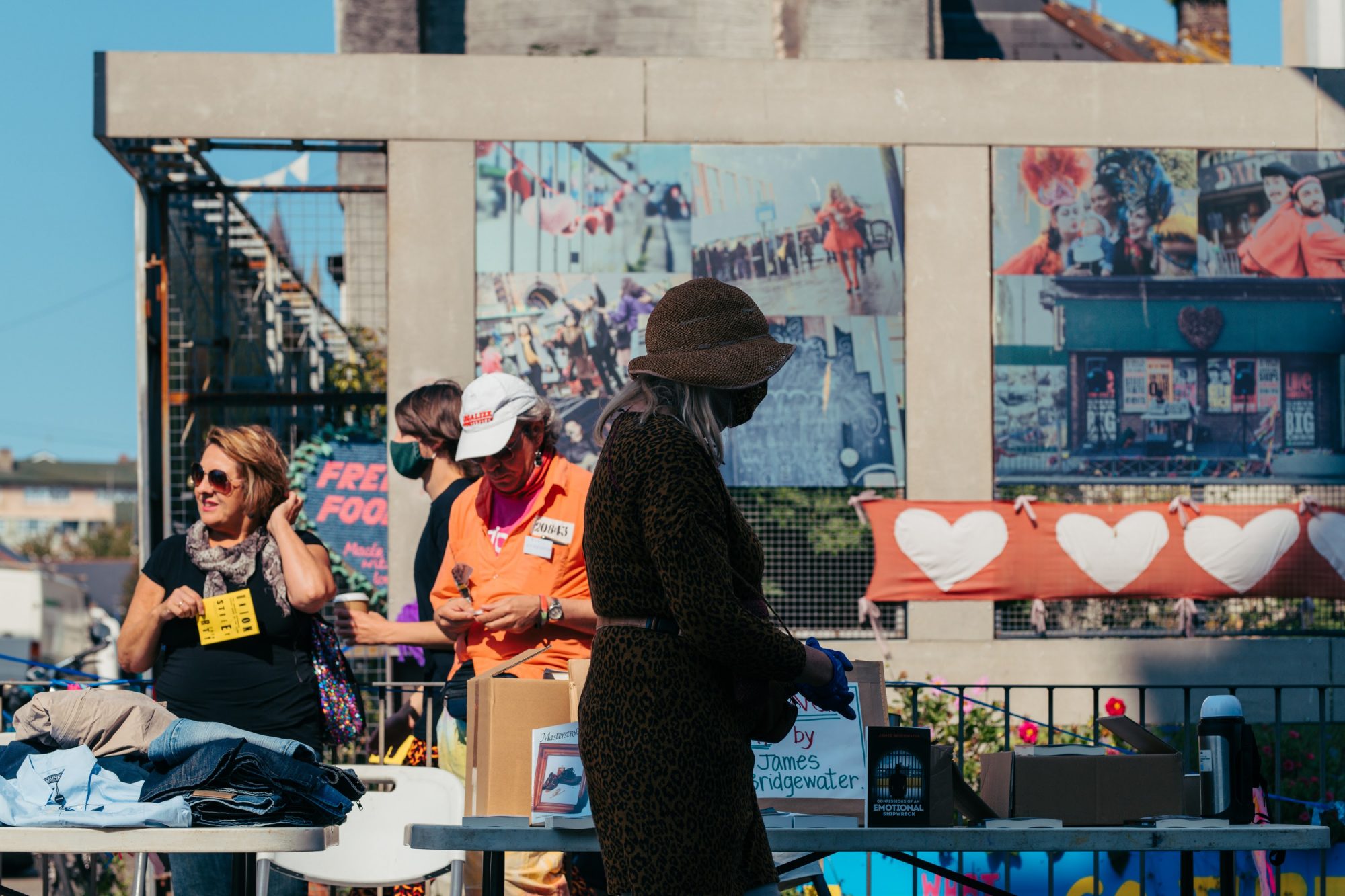
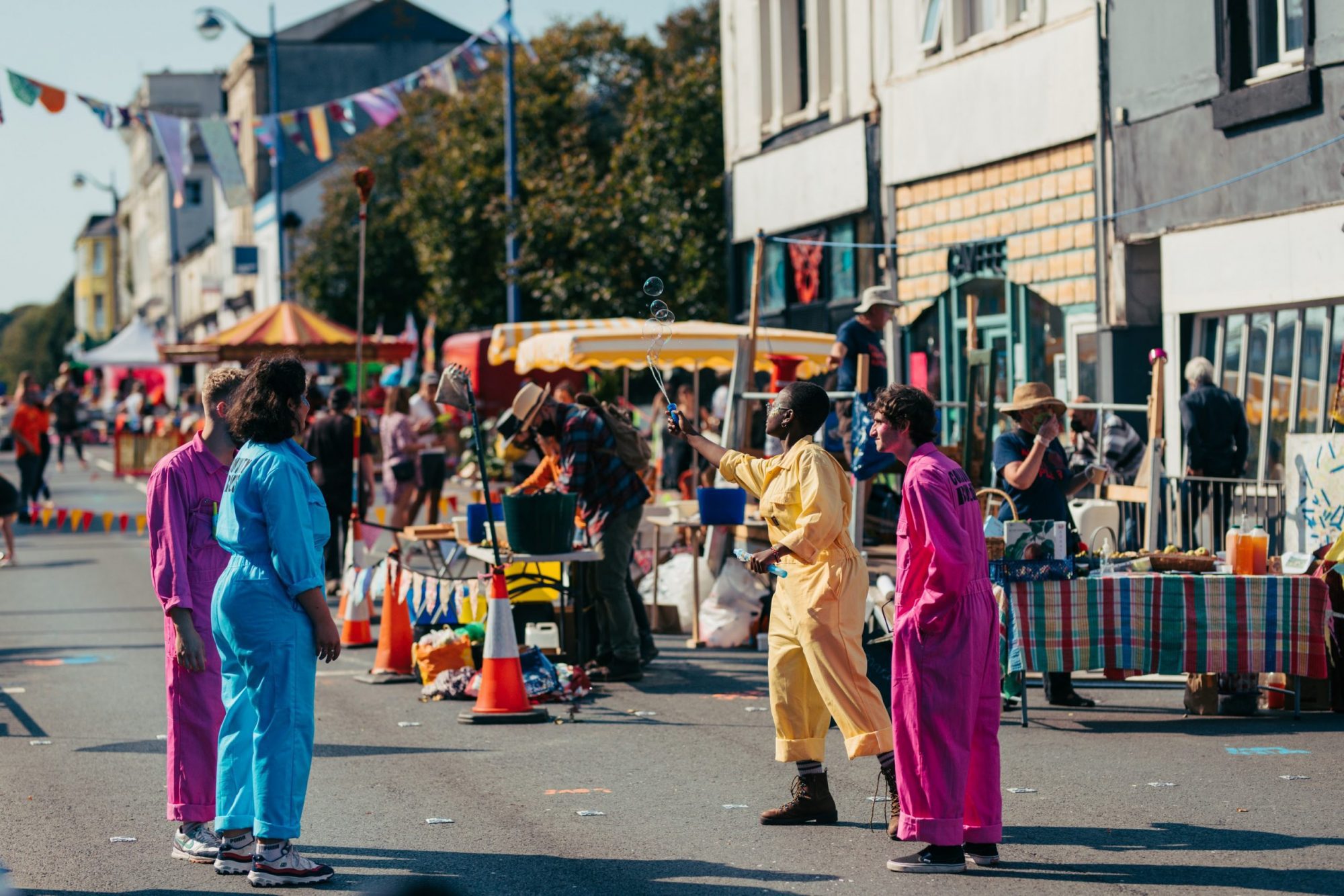
These might sound like fantastic futures, but all this and more is already happening on Union Street in Plymouth – driven and owned by the community through Nudge. They currently occupy five buildings amounting to over 4,000 square meters of land. It’s proof that community-led regeneration can improve local buildings, keep money in the local economy and empower people to change things together. Nudge’s story walks us through that step change from local growth to local pride.
But they still face huge challenges, not least the over 6,000 square meters of land still standing empty on the street, much of it in delinquent ownership and locked away in opaque ownership structures.

Rebuilding hope
We know persistent vacancy has left space for scepticism over the future of the high street to dominate, creating a cycle of doom-laden commentary (a narrative we have at times contributed to) and making ambitious change politically risky.
The backlash to business rates reform and the subsequent carve-outs for pubs shows how quickly political headroom for structural change can collapse. It’s no surprise, then, that the public is better at identifying supposed villains of the high street – barbers, vape shops, betting shops – than celebrating its champions. Right now, political leaders trade on these enemies but leave a void where hope should be.
What’s missing is a shared vision: one that builds on what already works, celebrates success and helps people imagine a future they want to be part of.
The government can move the needle on hope for our high streets by creating the conditions for organisations like Nudge to succeed and by championing others leading this change, including Power to Change’s High Street Innovators.
From hope flows the headroom for the ambitious change required to put communities at the heart of thriving, future-fit high streets.