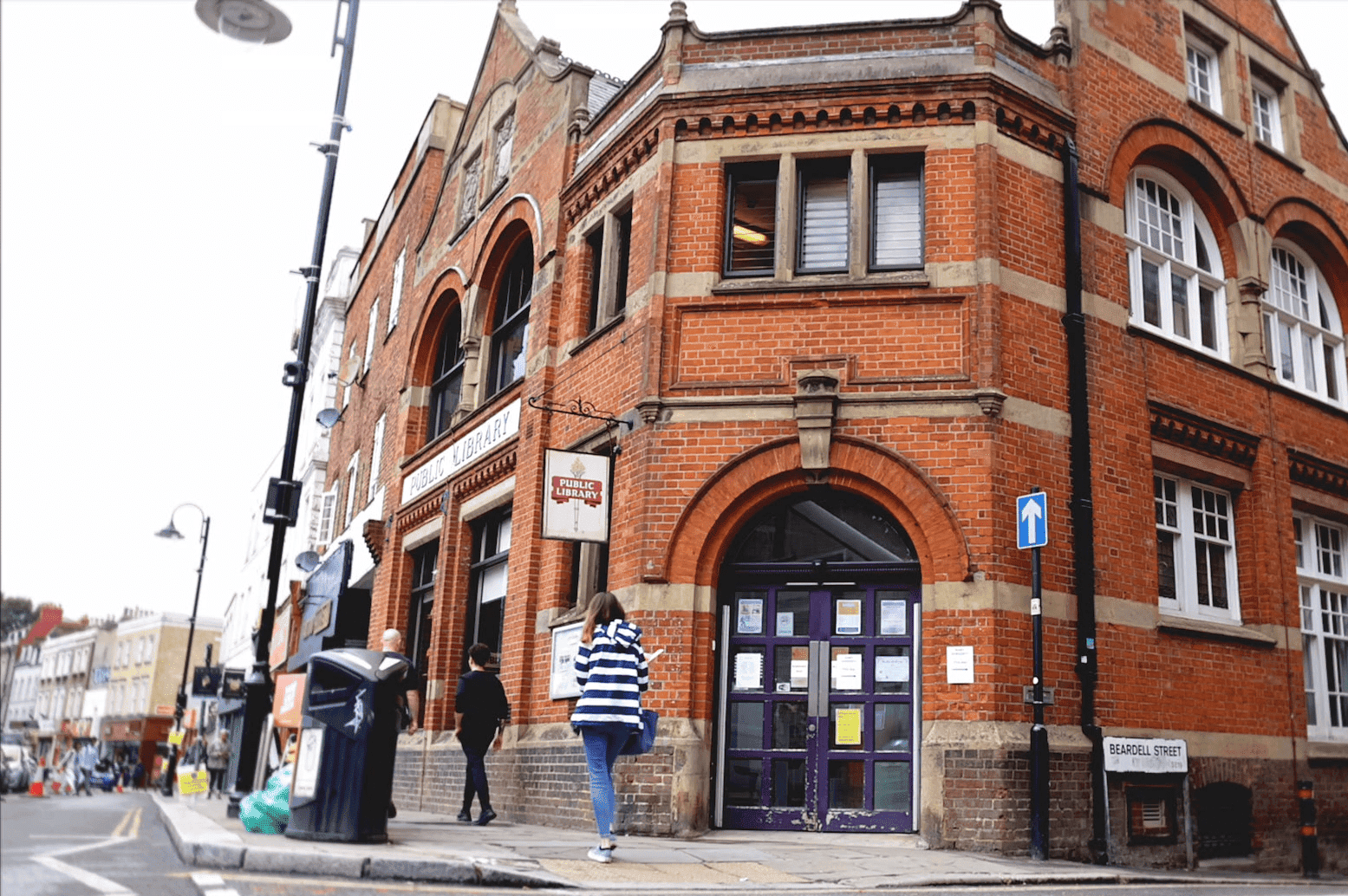

We all want to live in places we can feel proud of, with bustling centres where we can run our errands, meet friends in a cafe or community space, and feel part of something local. But too often, our high streets are boarded up, overly populated by vape and gambling shops, or we have to travel out of town to access healthcare, green space or housing.
The way high streets look and feel matters. It dictates whether local people want to spend their time and money there, and they act as a visible sign of local prosperity or decline.
Over the last year, we have been learning alongside five community businesses that are pursuing high street regeneration led by communities. They’re reimagining the high street as a place where local problems can be solved, local heritage can be protected, and money can circulate in the local economy, rather than disappearing into distant markets.
Our new report, The new high street playbook, shares what we learnt. It illustrates the structural barriers that are frustrating this work, and makes recommendations to rebalance the playing field in favour of communities.
Our Community-led High Street Innovators demonstrator identified access to space as one of the three major barriers. And this isn’t just a property problem; it’s a data and a power problem.
Why data matters
Two of the Innovators, Artspace Lifespace in Bristol and MadLab in Stockport, sought data about their high streets to help them plan strategically, negotiate from an informed position, and take on high street space. Their work illustrates the fragmented, incomplete and inaccessible nature of high street data, be that ownership data, leasehold terms, vacancy tracking, or business rates liabilities.

Artspace Lifespace spent eight months building a partial picture, manually matching across commercial and free-to-access datasets and sharing local knowledge with Bristol City Council and Bristol BID. This work, while incomplete, is helping them make the case for strategically embedding community space into the regeneration of Broadmead. The resource can also support other groups working to revitalise Bristol’s city centre.
In Stockport, MadLab saw a familiar pattern of regeneration emerging. Community and cultural organisations that had kept the town centre alive were being pushed out, as developer-led regeneration prioritised other uses of space, and drove up land values. To tell the story of the importance of this space and illustrate its loss over time, they combined data tools with community-sourced insights, mapping the town’s community and cultural use of space.
This work is not the natural role of community arts and culture organisations, and the lack of accessible data stifles regeneration efforts. So, what is the solution? We propose a combined open-access dataset that brings together existing centrally and locally sourced data on land and property ownership, as well as vacancy and value, to support local regeneration. Communities already have the vision and ambition to revitalize their high streets, if only the government can act on these recommendations and remove the barriers holding them back.
Meanwhile use to permanent stewardship
Meanwhile use can offer a short-term solution to high street vacancy and provide space for community activity, but our Innovators had contrasting experiences when trying to turn these temporary arrangements into a more secure, long-term presence on the high street.
In Birkenhead, Make CIC successfully used meanwhile space as proof of concept and converted this into ownership. They took on a meanwhile lease in a former council building on favourable terms, and tested the demand for creative and maker space in their town. This temporary arrangement demonstrated their delivery capacity, illustrated the social value that could be generated on the high street, and made visible a strong, local, creative community. Make CIC used this evidence and the strong relationships within the local system to secure £1 million of Town Deal funding, acquiring a permanent home on the high street.
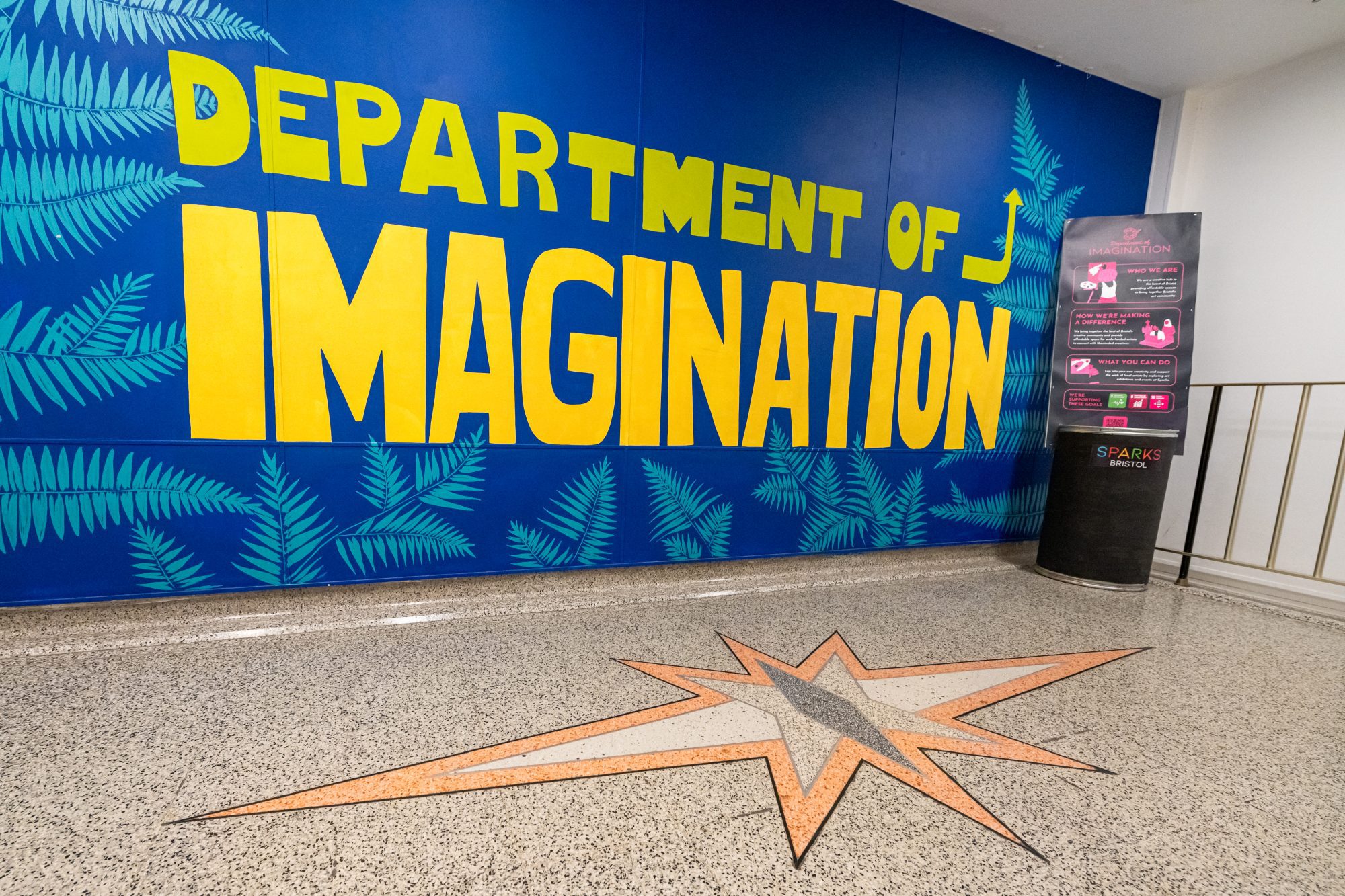
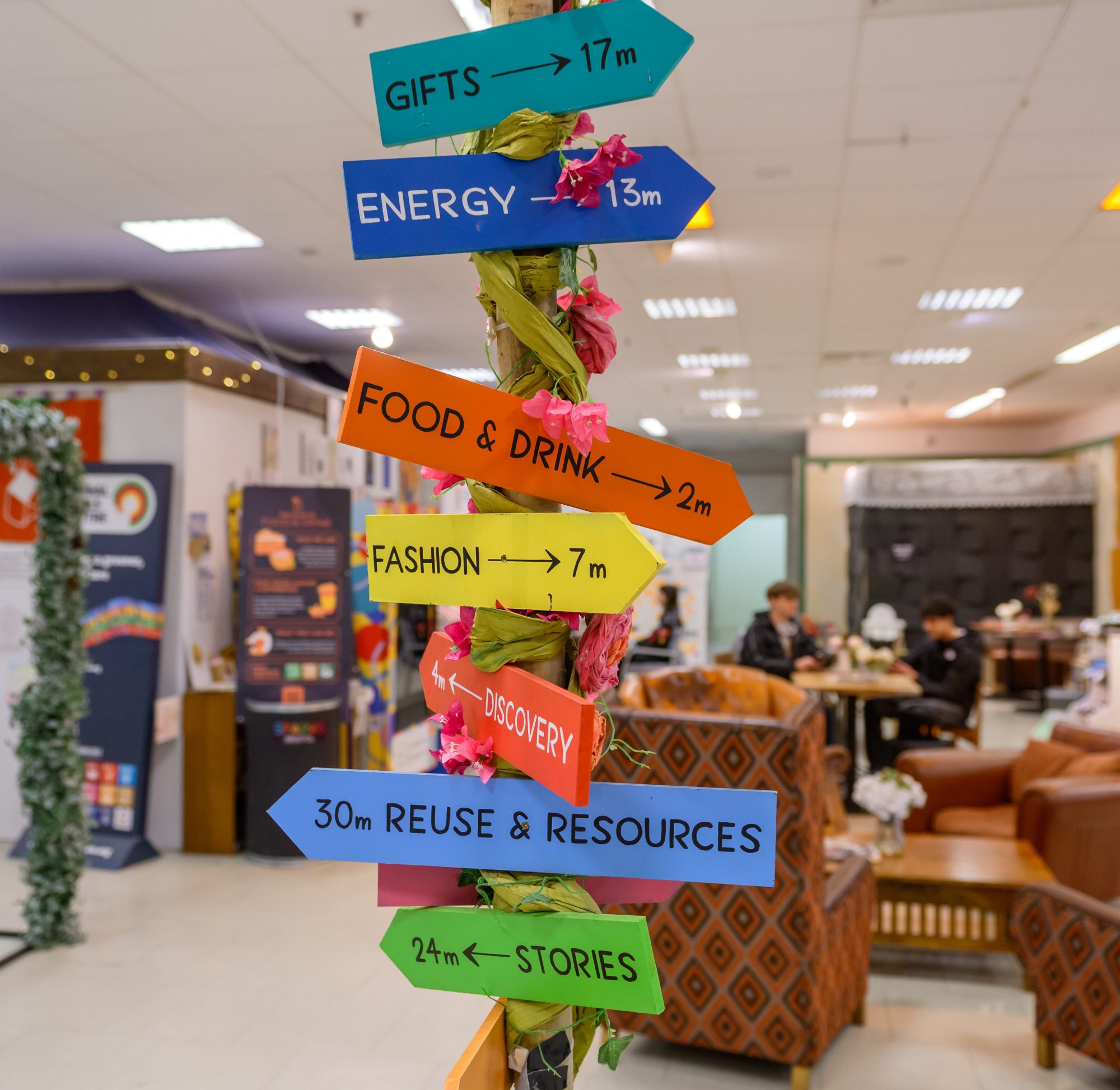
In contrast, in Bristol, Artspace Lifespace encountered a more typical pattern, where meanwhile use reinforces instability. Sparks, their project with Global Goals Centre to reactivate a former Marks & Spencer, has attracted over 1.3 million visitors, yet it operates on a one-year lease. Despite its success, efforts to hold meaningful discussions with the freeholder and the private company holding an 80-year lease have, so far, come to nothing.
Clearly, meanwhile use is most powerful when it is not treated as an end in itself, but as a stepping stone towards permanence, supported by evidence of success. Our recommendation to the government is to establish a community-led regeneration pathway, designing policies, support and funding to assist communities in progressing from temporary use to long-term asset stewardship. We’d be eager to contribute ideas to this approach.
Using legislation as a pressure point
Make CIC in Birkenhead tried another route to access space on the high street: testing new legislative powers. High Street Rental Auctions (HRSA), introduced in December 2024, enable local authorities to require landlords to rent out commercial property on high streets which have been persistently vacant.
Make CIC set out to work with Wirral Council to test this new power, but formal progress has been slow. Thin council capacity and difficult internal coordination have meant early steps, such as high street designation, have yet to happen.
While communities cannot directly wield formal powers, Make CIC has used HSRA as a tool to organise and influence: researching the process, connecting the council with early adopters, and using the new power to frame a wider local conversation about vacancy, ownership and what the community would like to see on their high street. They also created a resource that other community organisations can use to explore taking on space.
To solve the challenge of constrained local authorities struggling to use the powers accessible to them, we recommend that the government roll out ‘innovation squads’. Inspired by the approach of the Cabinet Office’s Public Service Reform, Test, Learn and Grow scheme, this would support councils to put these powers into practice and shape high streets alongside local communities.
Where next for communities seeking to take on space on their high street?
The government’s forthcoming High Street Strategy and its £301 million funding commitment present a real opportunity for the government to shift the direction of high street policy towards a mixed-use civic high street model that meets the challenges of today and can sustain our communities in the future.
Our Community-Led High Street Innovators demonstrator shows that community businesses are already bringing this civic model to life. There is no shortage of ideas; what is missing is the enabling conditions to turn those ideas into lasting change.
We are working on the next iteration of our demonstrator, responding to the learning from this first phase, and strengthening the support available to community businesses taking on long-term stewardship roles in their local high streets and town centres.
If you’re interested in supporting new approaches to community stewardship, through ownership, governance and greater power-sharing with the public and private sectors, we’d love to hear from you.
Get in touch with Kate McKenzie, Practice and Innovation Manager, at kate.mckenzie@powertochange.org.uk.