

Every so often, a programme comes along that feels like more than a funding pot.
Pride in Place has that potential. Not because money does not matter, but because this programme is about more than spending. It is about whether places can work differently: whether communities can truly shape decisions, whether local institutions can share power, and whether neighbourhoods can build the relationships and confidence needed to change things for the long term.
With 40 more neighbourhoods now joining the programme, the question is no longer whether the government is willing to back community-led change. It is whether the conditions are in place for that change to work. The latest announcement expands Pride in Place, giving local people in 40 new areas a direct role in shaping how up to £20 million is spent in their neighbourhoods. That is significant. But money on its own will not deliver meaningful place-based change. What will matter is whether places are supported to do the harder work too: building trust, sharing power, backing local capacity and turning resident voice into real influence.
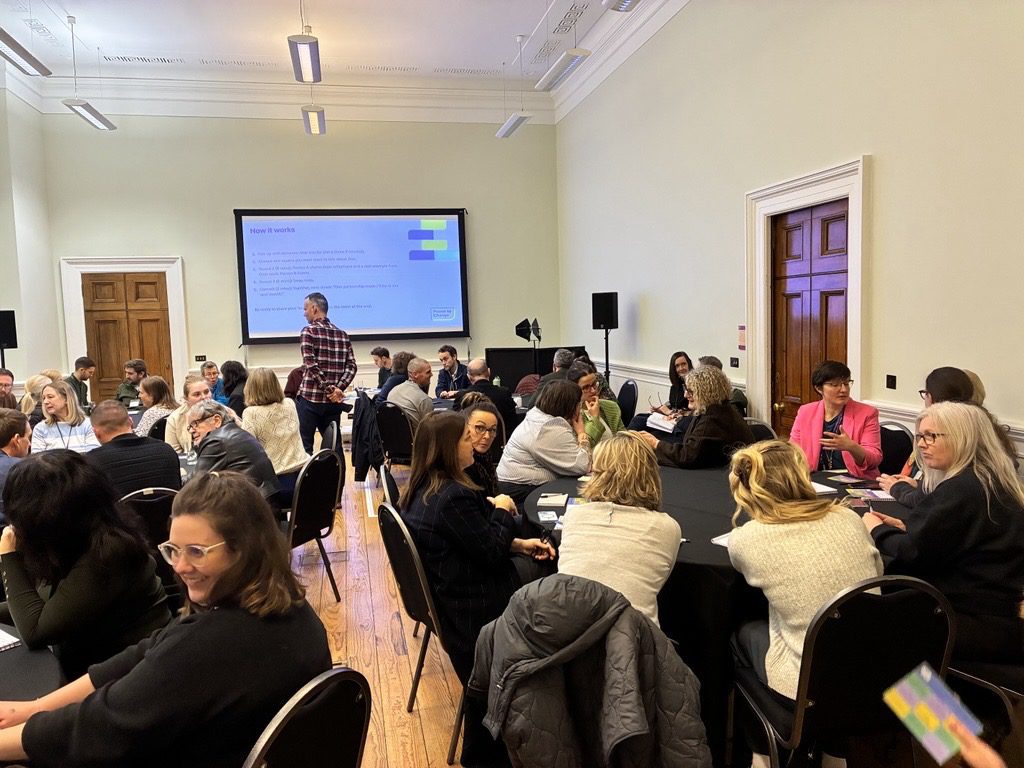
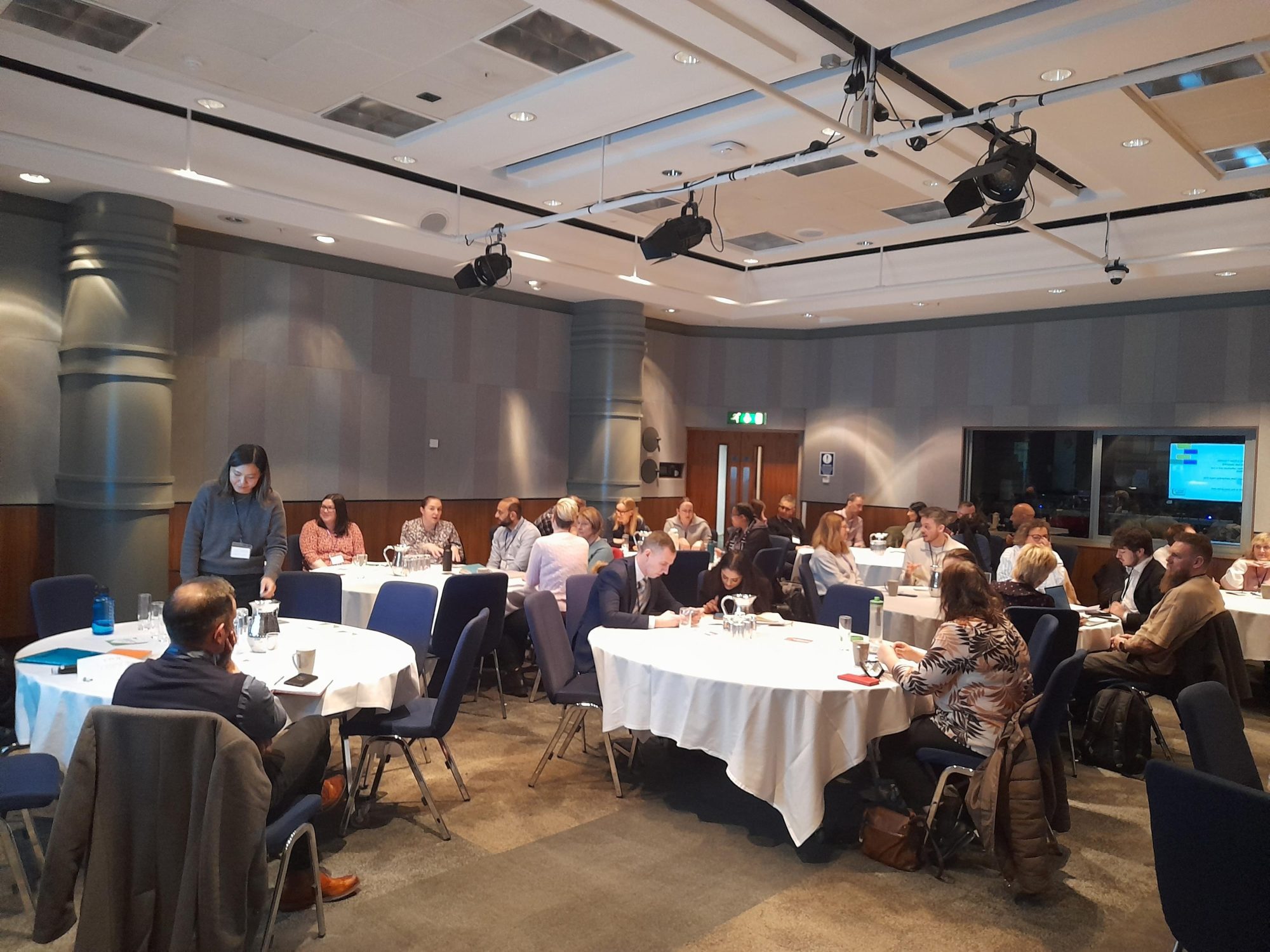
That was the backdrop to five Pride in Place learning sessions focused on effective partnership building that Power to Change supported Local Trust and the Ministry for Housing, Communities and Local Government (MHCLG) to run over the winter. Across those conversations, one message came through clearly: meaningful place-based collaboration is hard, but it is also one of the biggest opportunities we have if we want Pride in Place to succeed.
Partnership matters
Partnership working matters because change does not happen through strategy documents alone. It happens when residents, community businesses, councils, statutory agencies and anchor institutions find ways to work together around shared priorities and practical action.
That was the common thread across the sessions. In Liverpool, Liam Kelly, Co-Founder and CEO of Make CIC, reflected on how partnerships had enabled work in Birkenhead to move from small sparks and microgrants into a broader community-led place plan. In Newcastle, Jo Cooper, CEO at Back on the Map, described how a youth partnership brought local providers together around a shared challenge that none could have addressed alone. In Birmingham, Afzal Hussain, Chief Officer at Witton Lodge Community Association, spoke about how a cross-sector partnership built during Covid became the basis for longer-term place leadership and economic recovery. In Barking and Dagenham, Geraud de Goyet, CEO at Barking & Dagenham Giving, reflected on the patient work of building a local infrastructure partnership able to connect, influence and hold collaboration over time.
What these examples have in common is not a single model. It is the recognition that no one organisation holds all the answers, all the legitimacy or all the levers. Community businesses and community anchors bring trust, local knowledge and staying power. Councils and statutory partners bring powers, influence and reach. Other partners bring assets, expertise, funding or access. Collaboration is what turns those separate contributions into something bigger than the sum of their parts. As one participant in Leeds put it, this work often starts from a simple realisation: “the community needs something bigger than what I can ever offer on my own.”
But the sessions also told a more honest story. Collaboration takes time, effort and staff resource. It cannot be done off the side of someone’s desk, yet many of the organisations best placed to hold this work together are already stretched. Trust cannot be assumed either, especially where relationships with public institutions are weak. In Leeds, one participant described a post-2008 environment in which community organisations had become “quiet and suspicious”. That kind of history does not disappear just because a new programme arrives.
Sharing spaces, sharing power
Power matters too. Several sessions reflected the reality that power imbalances do not disappear just because everyone is around the same table. Institutional voices can still dominate. Leadership changes inside councils and public bodies can knock fragile relationships off course. And partnerships can talk a good game about resident voice while still making it hard for residents to participate in practice. As one participant in Liverpool put it: “Board meetings in the middle of the day! Doesn’t work.”
That point matters. If resident voice is meant to shape decisions, then partnership spaces have to be designed so people can actually take part. That means thinking seriously about timings, payment, support and who gets heard. It also means not confusing hierarchy with leadership. Strong partnerships do not simply defer to the most senior person in the room. They make space for residents, delivery staff, community organisers and trusted intermediaries to shape what happens next.
Key insights shared by community businesses and participants:
What community businesses say makes partnerships work:
- Start by doing. Small, practical action builds trust faster than long conversations about intent.
- Keep the mission tight. Focus on a small number of shared priorities and a clear purpose.
- Set a time-bound goal. People work better together when there is a shared sense of pace and direction.
- Do not avoid tension. Honest disagreement can strengthen a partnership if there is trust underneath it.
- Fund the glue. Coordination, convening and neutral spaces matter.
- Back trusted local conveners. Strong partnerships often need someone credible to hold the centre.
- Share responsibility early. Do not let one organisation carry everything.
- Make participation work in practice. Think seriously about timing, support and payment.
- Keep residents’ voices at the core. People need to feel decisions are being shaped with them, not for them.
- Do not mistake hierarchy for leadership. Influence should not default to the most senior title in the room.
- Build for the long term. Strong partnerships create relationships and infrastructure that outlast a single programme.
What public institutions need to get right:
- Fund the relationship work. Not just projects and outputs, but time, coordination and capacity.
- Be realistic about community capacity. Do not pile risk onto already stretched local leaders and residents.
- Work to a long horizon. Lasting neighbourhood change cannot be judged only through short-term milestones.
- Treat social infrastructure as essential. Trusted organisations, spaces and networks are part of the infrastructure of change.
- Share power for real. Consultation is not enough if decisions are still made in the same old ways.
- Back what is already working locally. Start with existing relationships, not a blank sheet.
- Create conditions for trust to grow. Trust needs consistency, flexibility and time.
- Design around people, not systems. Programmes need to reflect how communities actually participate.
- Value local knowledge as expertise. Community insight should shape priorities from the start.
- Do not assume the most senior voice is the most important. Strong partnerships recognise different kinds of leadership and make space for residents, delivery staff and community partners to shape decisions, not just those with formal authority.
- Stay close to the practice. The strongest lessons are already coming from places doing this work for real.
Our takeaway
If Pride in Place is to mean something, public institutions need to do more than fund projects and talk about partnership. They need to back the hard graft that makes place-based change possible: sharing power more honestly, investing in local relationships and building on the strengths communities already have. Because collaboration is not neat. It is messy, political and human. But when it works, it does more than deliver a programme. It starts to change who has power, how decisions get made and what a place believes is possible.
Interested in making collaboration work more meaningfully in your area? We’re supporting neighbourhoods to take a Community Covenant approach.

