The sizable centre holds a range of indoor activities for the community such as pilates, music classes, clubbercise, zumba, bowls and Ceroc dancing. While also offering private hires in order to generate income has made it a go-to, and affordable, destination for weddings and parties. It also has notable outdoor sports facilities including rugby, football and cricket pitches. “Providing a service and making things affordable for people is important,” says Bowes. “People who can’t afford to spend thousands on a wedding venue can come to us and get somewhere for a few hundred quid and have just as great a time.”
The rural nature of the area also means that the Fieldgate Centre is key for reducing social isolation, as well as providing vital services that could be difficult to access for some. These include regular NHS clinics featuring access to health visitors and mother and baby sessions, as well as blood donor sessions. “That really helps people if they don’t have transport and are reliant on getting the bus,” says Bowes. “The service isn’t very good; we only have one bus service that runs every hour into Basingstoke during the day. So, if mothers and toddlers can turn up with a new-born here, that’s a major help. The cost of taxis is just not achievable for most people.”
Being a self-sufficient organisation with no Local Authority funding means it’s also the community itself that helps provide support and services. With only two part-time staff, the organisation is entirely volunteer run. “There clearly is a demand for what we do,” says Bowes. “We’re one of the best used community centres in the entire borough.”
By increasing commercial private hires, they are also able to put this money back into the building, as well as funnel it directly back into community services and activities. “In order to better serve the wider community, we’ve really had to develop as a business to generate income,” Bowes says. “We’ve built revenue that can then further support community events and activities. And all those activities go towards the wellbeing of the people in the community and our business model is fundamentally about providing a venue that benefits the entire community’s wellbeing.” Those who hire the building clearly feel the same the community spirit of the place too. “We feel like a valuable part of the centre’s community rather than a bother,” says one regular hirer.
Through their tireless work and community engagement they’ve also managed to change the function and reputation of the centre. “It used to just be a drinking den and so it didn’t really do very much apart from just being a place for people to come and drink and socialise,” Bowes says. “But now we’re actually doing things for the wider community that weren’t provided before.”
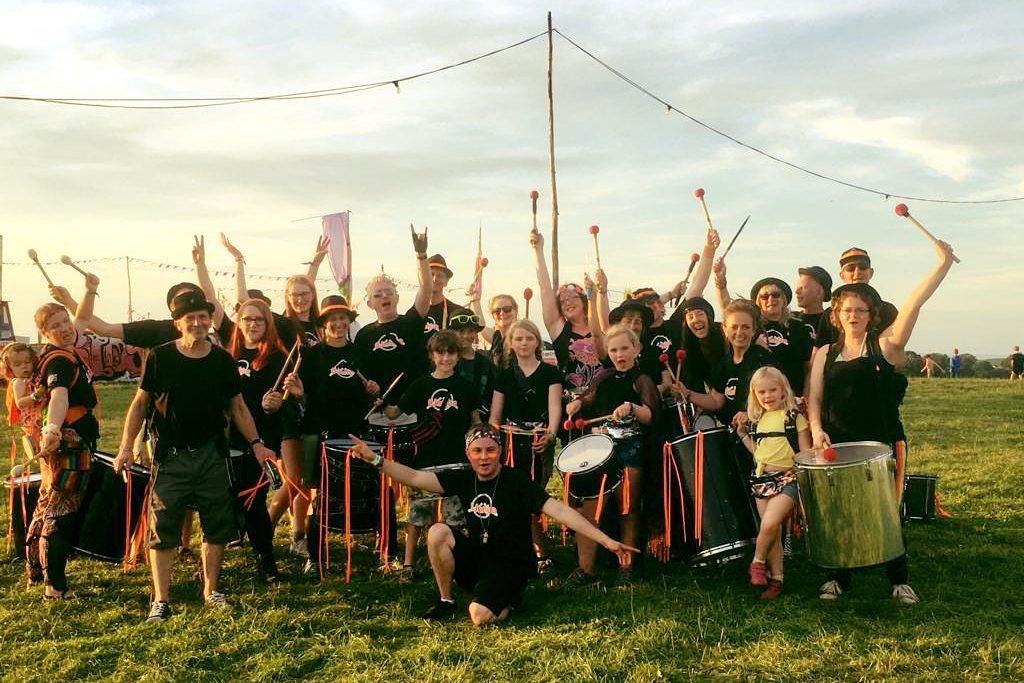
A recent Jubilee party brought over 1,000 people to the centre, almost a quarter of the entire population of the community. “It’s about wanting to give something back and to make your community more cohesive, friendly and welcoming as possible,” says Bowes. “Once you get hooked on doing something like that, it’s hard to walk away from it.”