A former pit community in a rural part of the North-East, Chopwell was declared a category D village after the pit closed in the 60s and went into significant decline. Now one of most deprived places in England with low educational attainment and low employment it falls within the worst four per cent of areas in the country in terms of the impact poverty has on children. Big on community spirit and with much love for the history of the place, ideas for how to improve it were plentiful; how to go about making them happen, was the problem.
“I moved here from the neighbouring valley and after five years of watching more shops on the high street close, I thought: ‘this is just going to get worse and worse unless somebody does something about it’”, explains Jodie Barwick-Bell, Chair of Chopwell Regeneration Group. About 60 per cent of the shops were boarded up. “So, I posted a message on Facebook asking if anyone wanted to get together and talk about how we might be able to improve our village as a community and 27 people turned up. I was staggered. Within a month we had formed an organisation and a board.
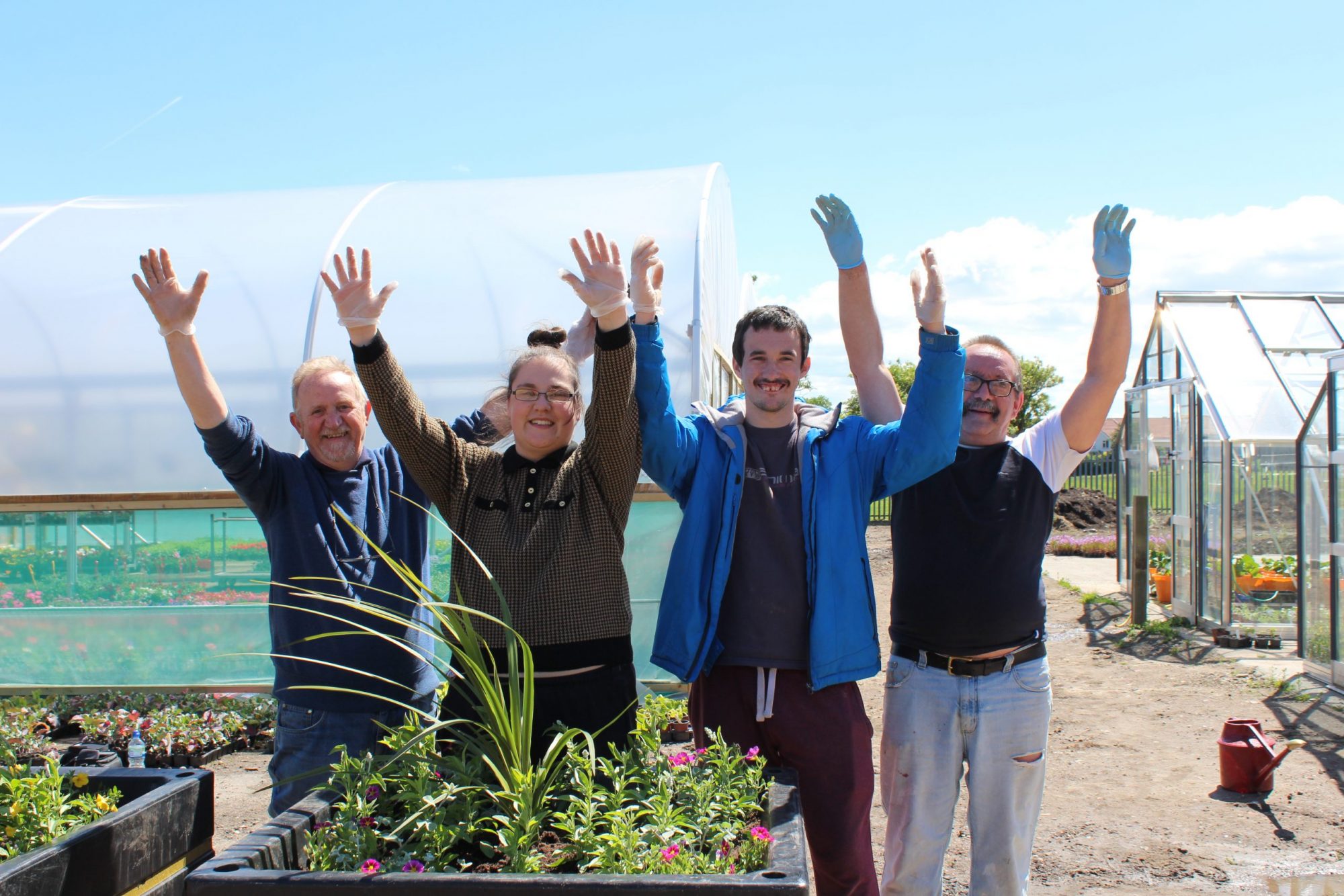
Now a charity with 120 members and over 100 registered volunteers, it’s a really active community. “We knew we were only going to be successful if we took the community with us, so a big part of what we do is community engagement activities. Talking to people about what they care about and prioritising those things. A big issue in the early days was the fact that there was litter everywhere and that everything looked so run down so we got some money and did a big brighten up the village campaign. The response was amazing. The amount of people who got involved in that and the difference you could see was wonderful. Then people started to put their own planters out, the school helped too.”
The old traditional model of high streets aren’t as viable as people might want them to be. In bringing buildings back into use, people need to see innovation and we need to see what is going to meet the needs of the community. People need places to go, communities themselves are the best people to know what might work – local people are the experts.

With a Bright Ideas award, a combination of cash and mentoring, the group quickly realised they needed the grant to cover all the upfront professional fees from the architect, through to support with the planning and consent process, legal fees to negotiate the lease and building control. “This got us to the situation where we were able to sign a lease and really strengthen our position in terms of being able to apply to funds. It was a huge, huge help.”
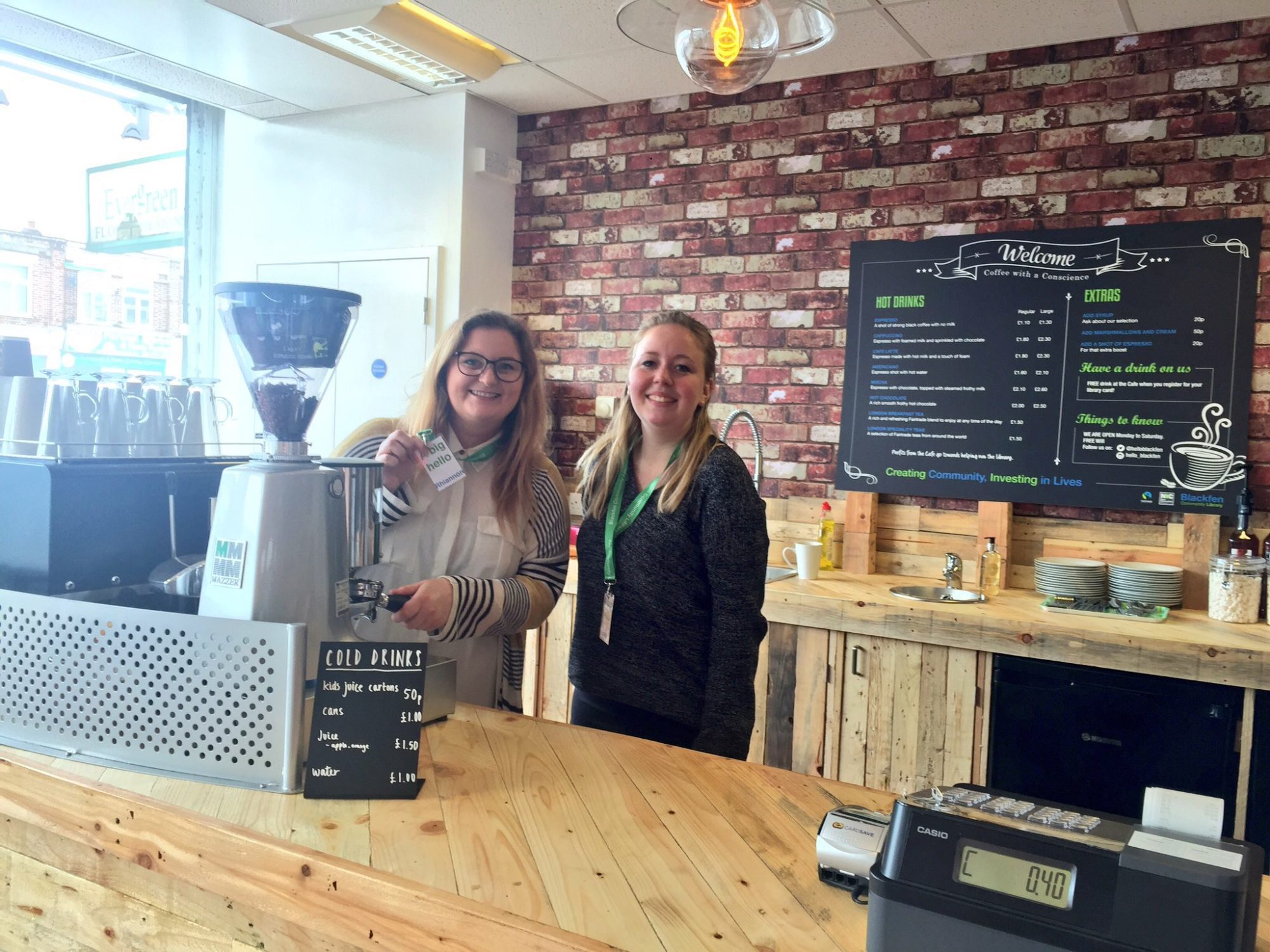
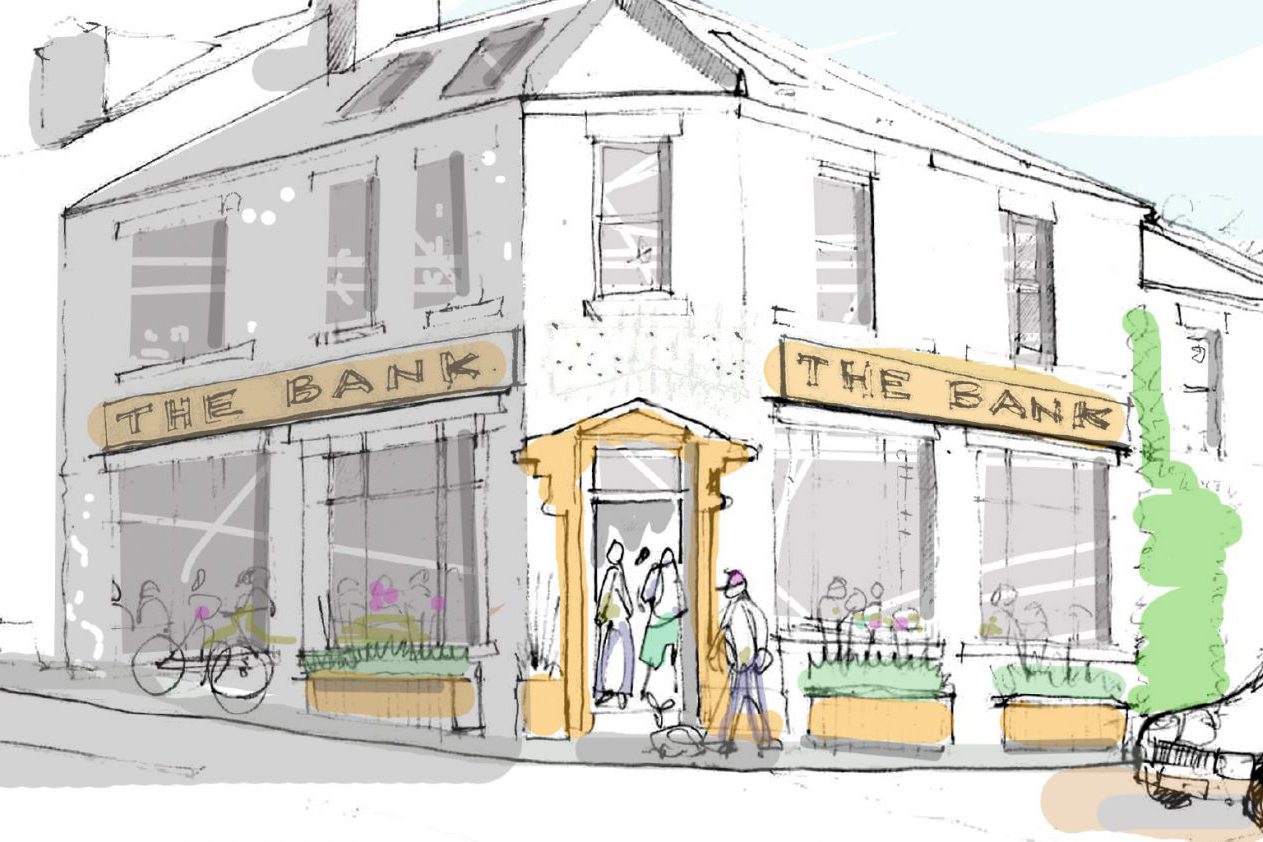
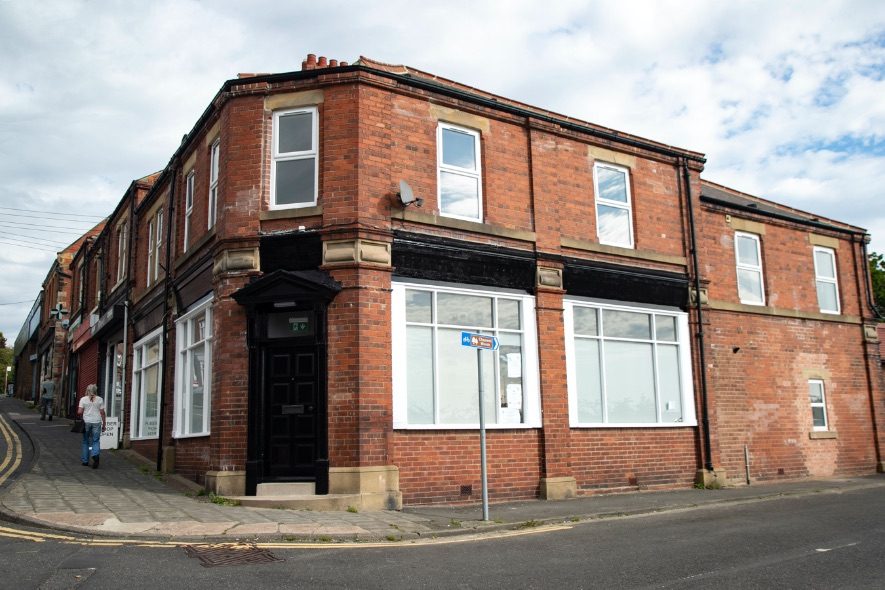
With core building work now complete, the former Lloyds bank, which sits on the corner of the high street with sweeping views of valley, will be a pay-what-you-can-afford café and community fridge to help a village severely affected by the economic impact of the pandemic. There will also be rentable rooms and a training centre offering employment skills and training, employing four staff and apprentices locally.
“Having that combination of money and mentoring was so helpful. Someone with great connections, great ideas and who was independent of the board for me to bounce issues off. It’s made the world of difference. And our impact is growing. We have co-founded the Chopwell and Blackhall Partnership with three other local charities and are together working on a five-year plan for strategic change with a particular focus on local young people.”