Founded in 1987 by a group of students and unemployed young people in Hull, Giroscope has provided affordable housing, sustainable regeneration, and secure work and training opportunities to the neighbourhood for more than a generation. Giroscope’s core business is ‘self-help housing’ – buying empty properties, renovating them to a high standard, and letting them to people. They have 400 to 500 tenants who, along with a stable home, can access all-round social support, such as help to get benefits, food parcels, training, and employment opportunities.
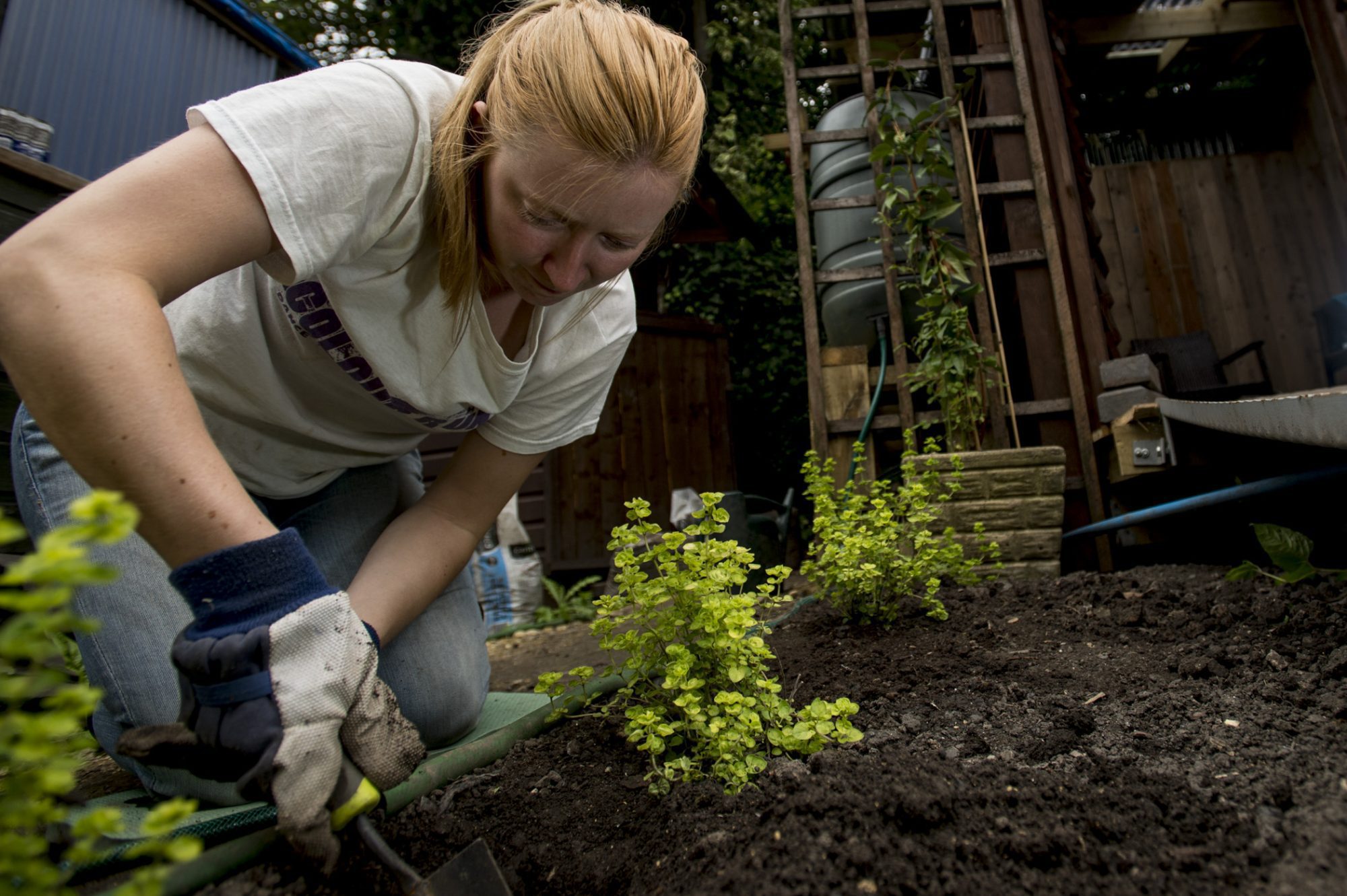
What makes Giroscope different to other housing schemes is the way it involves the community in the renovations and wider neighbourhood regeneration. The organisation runs a volunteering programme for people who face challenges finding work through conventional routes, many of whom are young, and trains them up in construction as well as admin and community-based skills. Giroscope has also recently started buying key community assets, and is running different projects like a community kitchen and garden, bike project, furniture recycling, and computer repair service.
The housing which Giroscope provides to young people is complemented by social and professional support. One example is the Secure Futures programme, run in partnership with a local boxing club, targeting under-25s at risk of homelessness through a joint housing support, skills training, and fitness programme. Another project uses Giroscope’s professional kitchen to train local young people in catering and hospitality skills. Beyond specific grant-funded programmes, the organisation provides regular volunteering and work opportunities to under-35s, along with older people in the community. For instance, the head builder of their current self-build scheme works with an 18 year old apprentice.
Martin Newman co-founded Giroscope with a group of friends when he was in his early 20s. He had moved to Hull to study; some of his co-founders were also students, whilst others lived locally. In the early 80s, after a long period of industrial decline following the loss of the deep-sea trawling industry in Hull, there were a lot of empty homes. When they saw how cheap these empty houses were, Martin and his friends decided it would be smarter to pool their money and buy a house, rather than rent.
They bought their first house, then secured private mortgages to purchase a further four houses. Martin dropped out of university and, with help from Hull’s Co-operative Development Agency, they then registered Giroscope as a workers’ co-operative, constituting it as a company limited by guarantee with charitable objectives. They then obtained a mortgage from The Co-operative Bank to buy those four houses back in the company’s name. The drive behind this had radical roots – Giroscope wanted to provide better rental properties for working people than the traditional property system.
“We wanted to do something positive and creative. It was the idea that you were twisting things around, playing the game against itself. There are some old videos of us all in dreadlocks and Mohicans; I say to a reporter that we’re playing Thatcher at her own game. We go out and buy houses and rent them out, but we’re doing it in a nice way.”
Giroscope’s fortunes waxed and waned over the years. As time went on some of the co-founders drifted off to do other things, and they weathered a tough time with a skeletal staff team. In 2007 they decided to register as a charity, and in 2012-2015 they benefited from the government’s Empty Homes grants scheme. Before 2011 they had 35 houses, now they have 133. Martin is proud of this growth and how it has offered more opportunities for the community. He still lives in a Giroscope house.
Growing up in the neighbourhood, Giroscope and the community around the organisation have always been a big part of Elener Forrester’s life. Elener, aged 28, has lived in a Giroscope house since she moved out of her mum’s, originally sharing with friends. Elener has also worked at Giroscope since she was 17; she started on a placement from her business administration course at college, and 10 years later is still there. Over that time, she has had a variety of roles in the organisation, from cleaning to administration, and has taken breaks to raise her two children. Currently she works as a receptionist and housing officer. She explains her motivation for taking up these roles:
“I’ve got a broad relationship with almost all of the tenants. I know everyone because we’re all from around here, it’s the community I was brought up in. I like engaging with people, trying to help the tenants, the community care. Anyone can come in off the street and say they need a house – we don’t turn anyone away, it’s an open door.”
Giroscope has been a supportive employer, for instance putting Elener forward to do an accounting course at college, funding her driving lessons, and providing a number of opportunities for on-the-job training. This flexible and supportive working environment has been crucial for her.
“The team that we’ve got here is absolutely amazing. I couldn’t dream of working with anyone else. It’s that ‘Don’t worry about it’ feeling. We’ll help each other. I know we’ve got a boss, but it doesn’t feel like a hierarchy here, it just feels like we’re all on the same playing field. I feel quite privileged really to be working with such a great team, and to be able to benefit from the housing too.”
Elener aspires to co-run Giroscope after Martin has retired, and has plans to expand her skillset and responsibilities to get there. She also has ideas about how to develop Giroscope’s role in the community, working with more community organisations to support the whole neighbourhood beyond its tenants and volunteers, for instance by regenerating some of the empty green space. “Being part of Giroscope, the only way is up. I have a lot to learn. But I want to get to the point where I’m the one calling the shots.”