Every now and again, something happens in government that makes you pause and think this could actually change things. For me, the creation of the new Office for the Impact Economy is one of those moments. I’ve spent years working with community businesses and the people who run them, and I’ve seen first-hand how much energy, ingenuity and sheer determination exists in communities and how often national systems fail to catch up. So the idea of a proper home in government for the impact economy feels significant. It feels like someone is finally building a doorway instead of another wall.
For Power to Change, and for the thousands of community businesses we champion, this move says something important: government is starting to recognise that local, purpose-led enterprise (like community business) isn’t peripheral. It’s central to how we build fairer, stronger and more resilient places. Communities have been proving this for years with limited resources. Now there’s a chance to match that ambition with national resources.
And then you add Pride in Place into the mix — a £5 billion, ten-year commitment to neighbourhoods and suddenly the landscape shifts again. A single initiative can be welcome; two aligned initiatives, one national and one hyper-local, feel like the beginning of something that might actually last.
I keep thinking back to conversations I’ve had with community leaders over the years. There’s always the same mix of hope and frustration: the hope that comes from knowing what their place could be, and the frustration of dealing with fragmented funding, short-term projects and endless hoops to jump through. The Office for the Impact Economy, if it lives up to its intent, could spare communities some of that. It promises a clearer route into government, a recognition that social value matters, and a willingness to work with purposeful organisations rather than around them. That alone would be progress.
But Pride in Place is what makes this feel real. I love that it puts proper decision-making power into the hands of local people through new Neighbourhood Boards. I’ve sat in rooms with residents, community businesses and local partners who know exactly what their place needs whether that’s saving a building on the high street, protecting a green space, or creating a hub that brings people together. The chance to act over a 10-year horizon, with meaningful investment behind them, is something communities rarely get, but it is something they’ve long deserved.
There’s also something powerful about seeing national strategy and local leadership finally pull in the same direction. Pride in Place gives communities the space to imagine and plan. The Office for the Impact Economy gives investors and officials the confidence and clarity to get behind those plans. Together, they create the kind of conditions where community businesses can really thrive, not just survive.
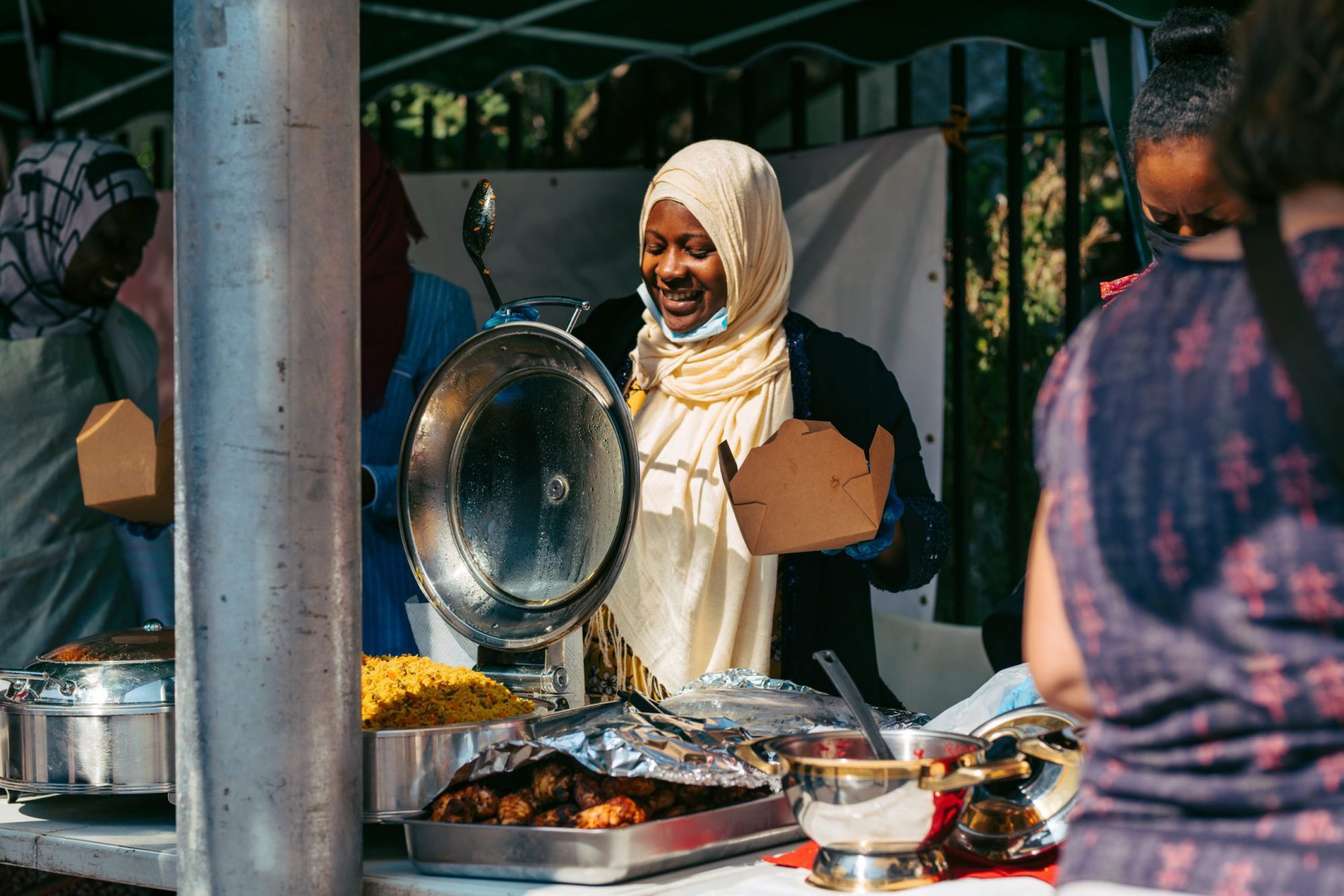
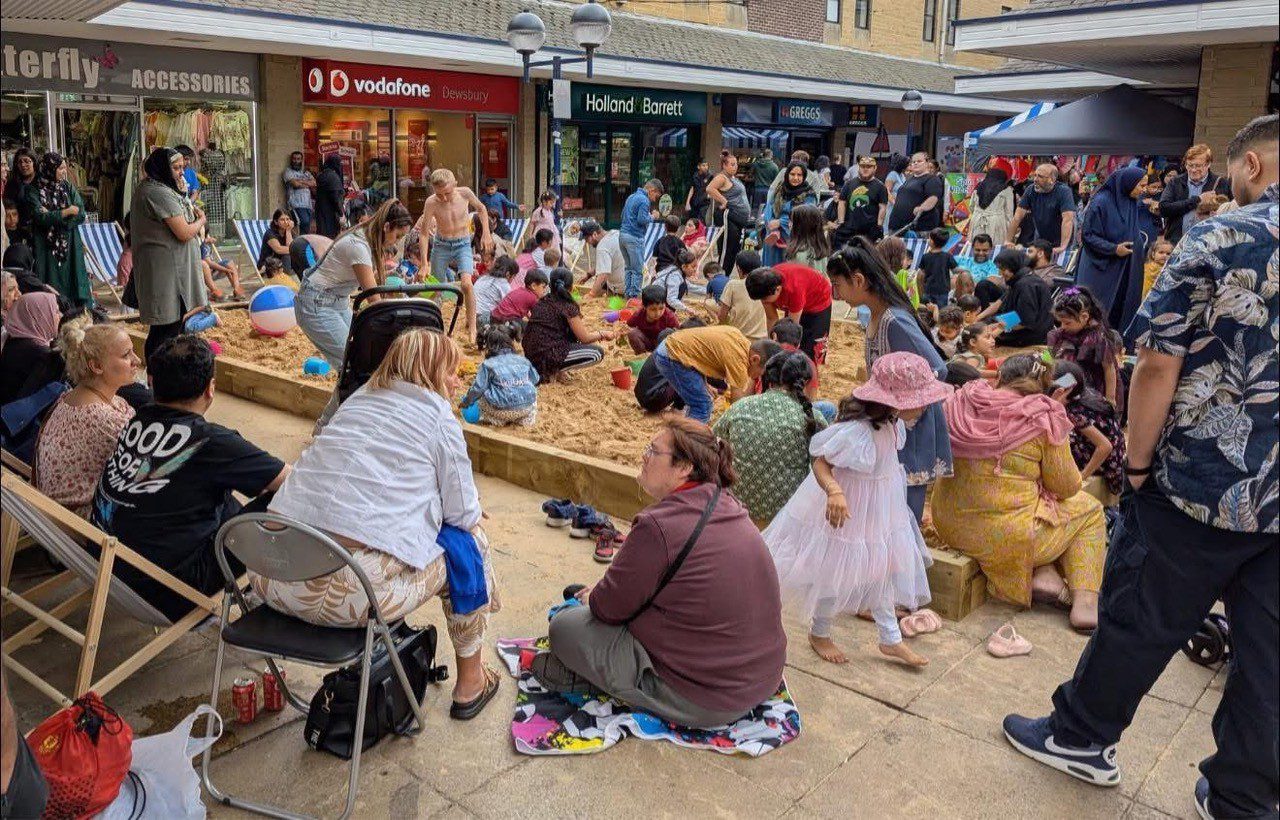
And that’s the bit that excites me most. Community businesses sit right at the heart of this moment. They are owned by local people, rooted in place, and driven by the desire to make their community better. They create jobs, run valued services, protect local assets, keep wealth circulating locally and help people feel more connected. They do all of this not because it’s trendy or because someone told them to, but because they care deeply about where they live
Since 2015, Power to Change has helped unlock more than £200 million for these organisations, and I’ve seen what even modest investment can do when you place trust in communities. But I’ve also heard time and again how exhausting it is to plan long-term when funding comes in short cycles or with endless strings attached. What communities have always needed is patient, flexible capital — the kind that lets them breathe, build and own their future. And that’s exactly what this moment could deliver.
When I put all the pieces together: the national alignment through the new Office for the Impact Economy, the long-term local power of Pride in Place, and the deep-rooted strength of community business and the places they are based in, I genuinely think we’re standing on the edge of a step change. Not a quick win or a new scheme that fades in two years, but a shift in how we think about local economic and social renewal.
If we get this right, communities will have more ownership, more confidence, and more control. They’ll shape places that feel hopeful again — places full of opportunity, pride, and purpose. And perhaps most importantly, they’ll do it in a way that lasts.