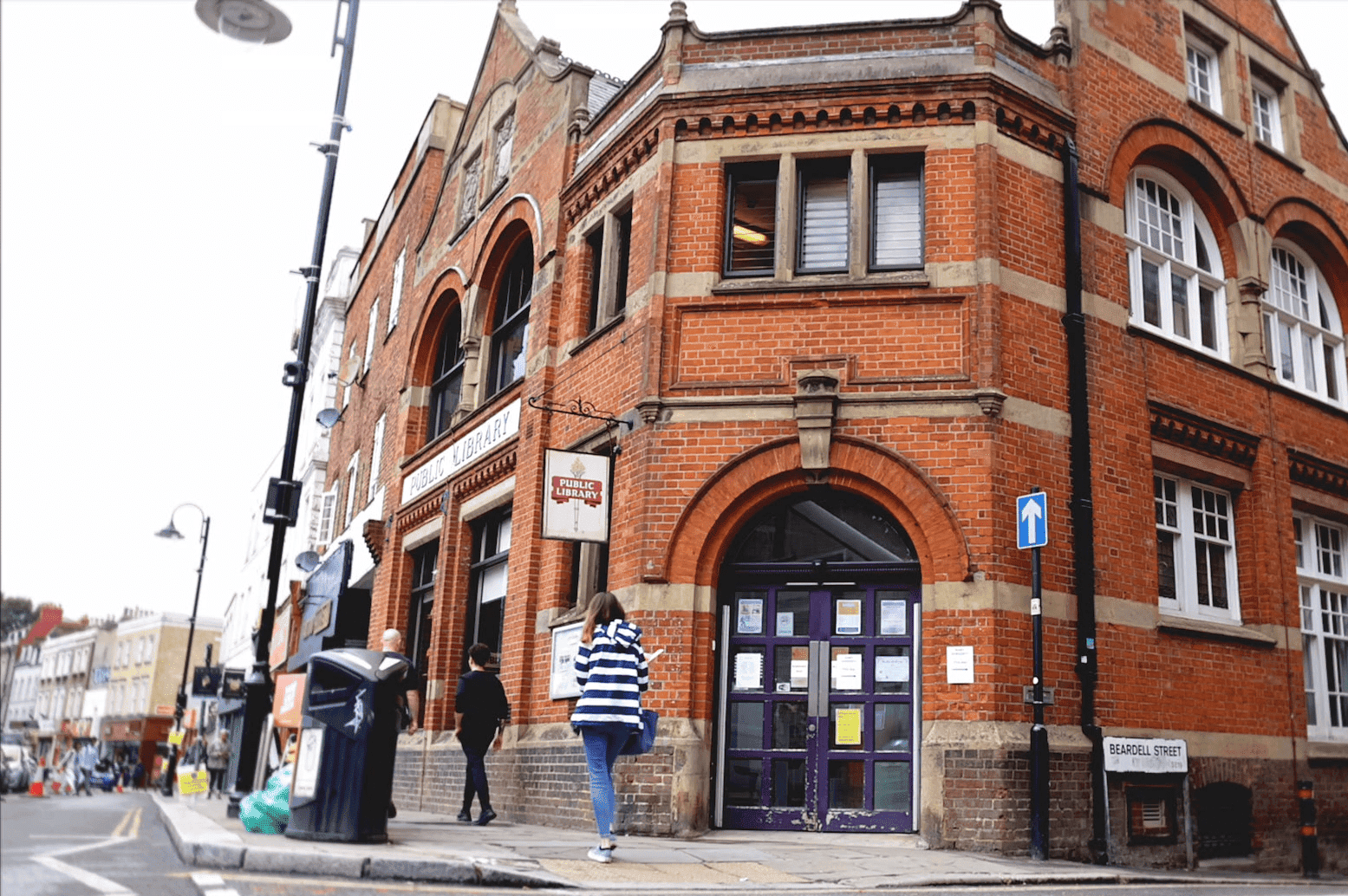

Dewsbury has a beautiful Victorian stone town centre. In a different location, it would be a tourist destination. Instead, like many town centres across the country, it has been steadily emptying. Even before the pandemic, footfall had fallen by 50% over 20 years. People see little reason to visit, and the emptiness itself makes the place feel unsafe.
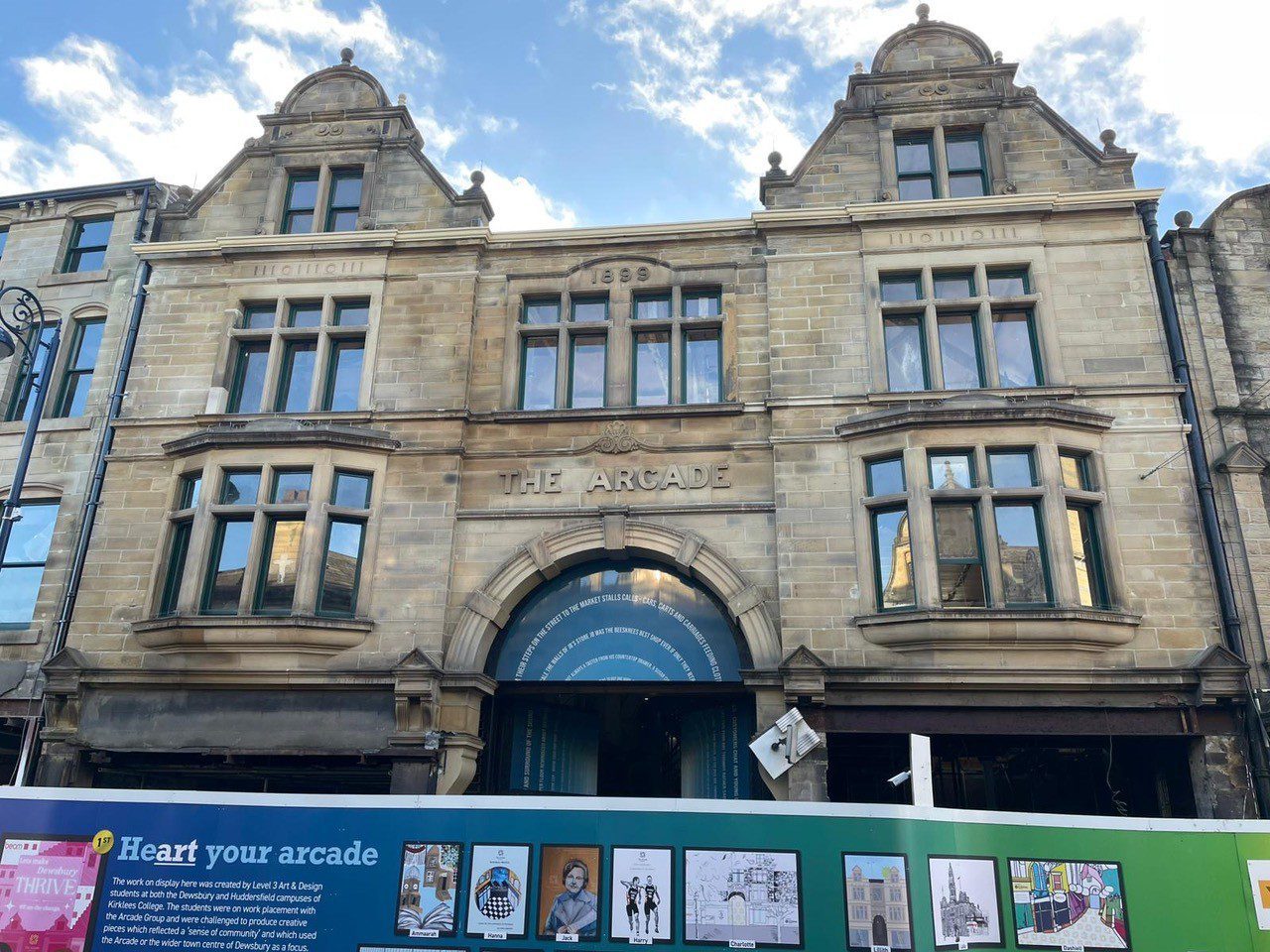
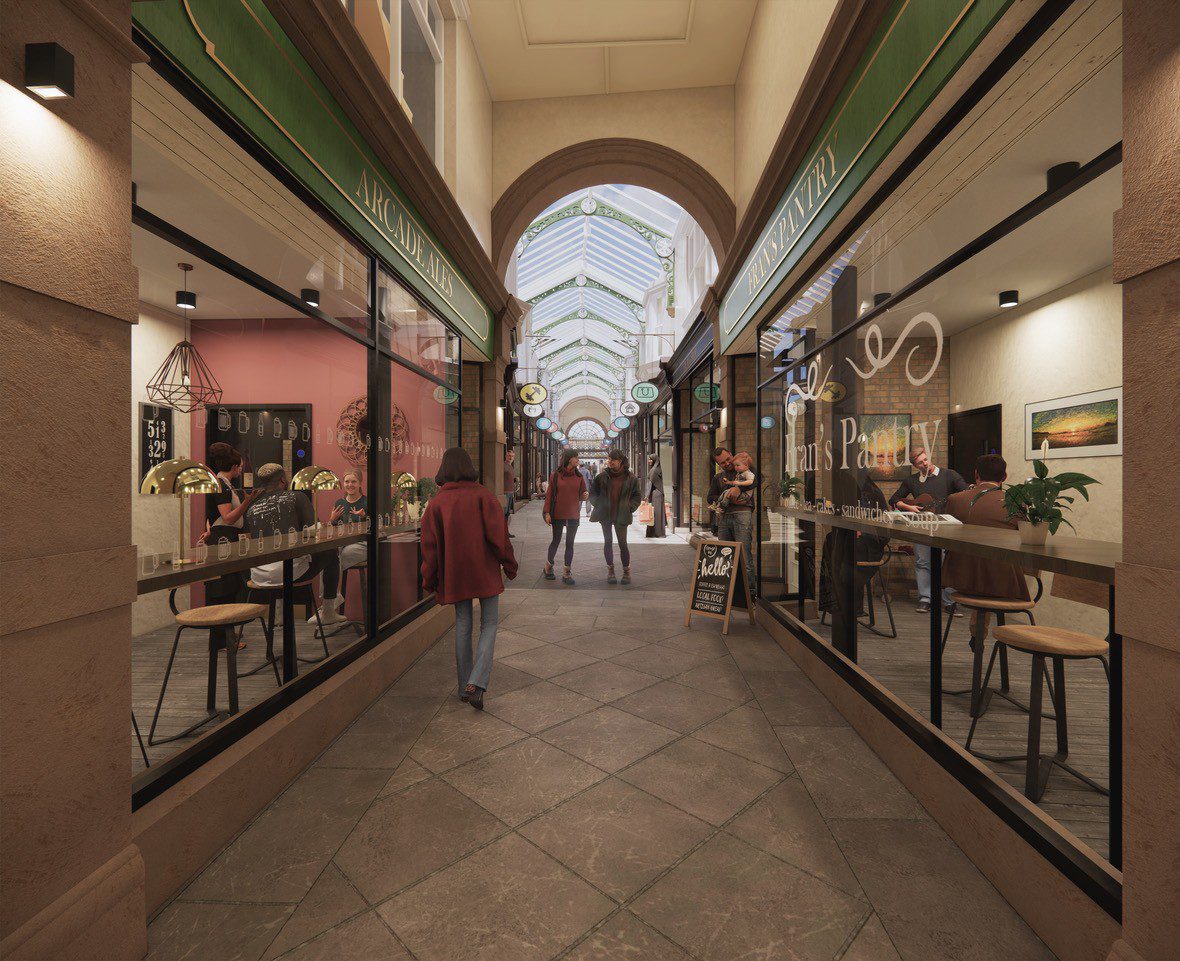
In 2020, shortly after Kirklees Council purchased the long-vacant Victorian arcade, we pitched to run it. Our initial vision was straightforward: that community-led management could run 20 shops, 8 studios and 2 event spaces more imaginatively and responsively than the council could. But the speed of the town centre’s decline quickly forced a bigger realisation. If we didn’t play a role in reactivating the whole town centre, the Arcade would reopen and fail within a few years.
Since then, every major decision has been guided by one question: Is there something that we can do here that the council can’t or won’t? This is something we’ve been exploring as part of the Community-Led High Street Innovators project, a small group of community businesses testing how community-led approaches can bring new life to high streets.
What does local leadership genuinely add to town centre renewal? And in places like Dewsbury, where the government’s Pride in Place funding has been allocated, how can it best interact with this funding and governance? These are questions we think are essential in ensuring that the investment made in Pride in Place areas makes a difference on both pride and place: improving a place in ways that are visible and increasing the community’s sense of pride about where they live.
It’s not only about investment
The financial backdrop in Dewsbury is not unfavourable, with the town being part of the earliest phase of Pride in Place, and more than £10 million is being invested in the Arcade. Alongside that, over £20 million is going into a rejuvenated market, alongside public realm improvements, security measures and housing initiatives.
There is a real opportunity here to turn the tide, reshape perceptions of the town, and build pride in its identity. But alongside major investment, we believe that visible local control and initiative are essential. Without them, investment risks feeling distant and imposed, another programme done to the town rather than with it.
The centralisation challenge
The way major capital programmes tend to be centralised contributes to the feeling that investment decisions are made outside the community and without our input. In Dewsbury’s case, that presents a real challenge. The town sits half an hour from Kirklees Council’s administrative centre in Huddersfield, and most senior decision-makers are based there. Over time, a perception has grown that Dewsbury is overlooked when the local council is making choices about where to invest and how.
That feeling will resonate in many Pride in Place areas, neighbourhoods that are by definition chosen to be part of the programme because they have been ‘left behind’.
If councils retain control of the large capital investments, and in many cases they must, then they need to let go of smaller capital and revenue decisions. For example, in Dewsbury, community consultation shows that events and activities happening in the town centre are very important to the people who live here. Local governing bodies and community businesses should be entrusted with decisions about these.
Why?
Because councils increasingly lack the capacity to put “boots on the ground.” Their size, systems and legitimate public accountability make them cautious and slow. They are not designed for entrepreneurial, networked regeneration.
Community businesses are.
Community-led high street innovators are taking on vacant buildings, trying new uses for high street spaces and supporting the renewal of local high streets by testing policy powers old and new. Community businesses can and do mobilise volunteers and unlock grant funding. But more importantly, we’re local, flexible and embedded. We can catalyse change by bringing people and businesses together, brokering deals, and responding quickly to opportunities.

Community businesses can sometimes face challenges around structure and evolving processes, just like organisations in any sector. Councils must assess capability carefully if they are to delegate the responsibility for handling capital and revenue decisions. But the assumption that only the council has the legitimacy or the ability to make decisions for the town, or that there is reputational risk in entrusting the community is just as untrue
If Pride in Place is to work, control must not only be local — it must be visibly local.
Partnership in practice
Pride in Place presents a real opportunity for councils to meaningfully partner with communities to regenerate their places, each playing a distinct and complementary role. We believe that the Arcade Group and other community businesses and organisations can bring even more value to the regeneration of Dewsbury by being brought closer to ongoing decision-making. While we’re represented on the Neighbourhood Board, there is greater opportunity to extend that representation into the sharing of power. With direct, on-the-ground connections into the community – relationships that councils can sometimes find harder to establish and sustain – the Arcade Group is well placed to bring local people closer to the planning and delivery of Pride in Place in Dewsbury, over the 10-year programme.
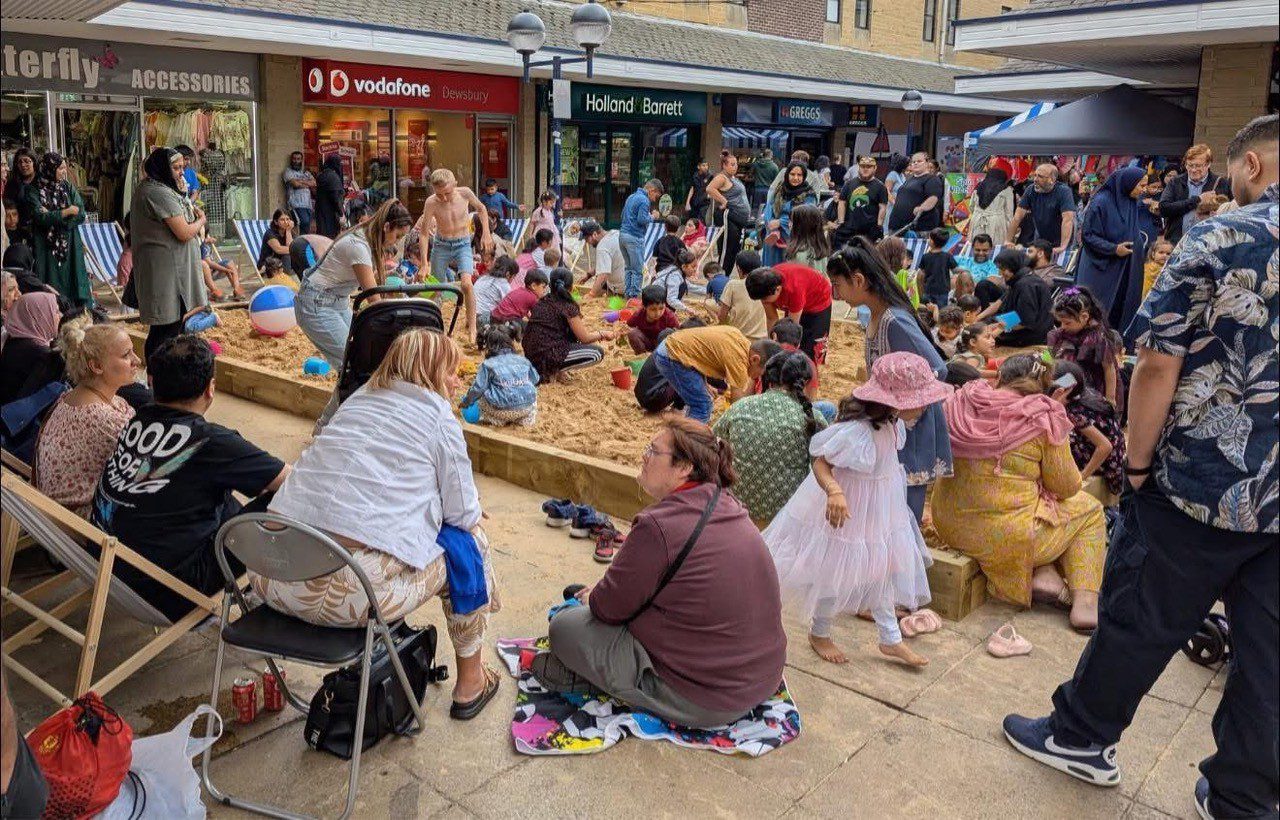
The Arcade Group has built strong relationships with Kirklees Council and the local Neighbourhood Board. The Council has partnered with us to run the Arcade and has involved us consistently in its development. The Neighbourhood Board entrusted us last year with delivering a town events programme and business network (£30k this year). That programme alone brought thousands of additional people into the town centre.
The £2 million per year Pride in Place programme (75% capital, 25% revenue) provides something arguably more important than scale: the opportunity to vest genuine local leadership in the Neighbourhood Board – enough to inspire optimism, private investment and community confidence. There is potential here to expand council property ownership while experimenting with different models of local management. That experimentation matters.
The Arcade: almost there
And what of the Arcade itself? Forgive the silence on its shops – they do not yet exist. Back in 2020, we expected to open in early 2023. The story will sound familiar to anyone working in heritage regeneration. Surveys revealed costs far exceeding the original budget. It took two years to secure a major grant from the National Lottery Heritage Fund (for which we are deeply grateful). Then the build programme doubled in length — because, as it turns out, Victorian buildings have a habit of being in a terrible state once you look closely.
The upshot? Work will be completed in June. And when it does, the real test of community-led regeneration in Dewsbury will begin.