Loughborough Junction sits in Coldharbour ward in south London and is one of the 20% most deprived in the country. 80% of the children and young people who attend the playground are of Caribbean or African descent.
LJAG was formed in 2008 following the murder of a young man, Andrew Pratt, in Southwell Road. Local residents in the neighbourhood came together to do something positive for their area which they felt had suffered from neglect for too long.
The district is an ‘in between space’ squeezed by Brixton, Herne Hill and Camberwell; the action group aims to become a development trust that can help shape the area’s identity. The group’s four main activities are an adventure playground, a community food growing project, a café and craft workshops.
Most of the families and individuals in the area have had to face lockdown in small, often cramped flats in the local council estates with no access to private green space. Those in single households have suffered loneliness and isolation and, even though lockdown measures have eased, there are high levels of fear and a continued reluctance to leave the house.
The Grove adventure playground is the largest of the group’s projects. It started up to 50 years ago and has some of the most adventurous climbing equipment in London. The grant from Power to Change has enabled the Grove to become COVID-19 safe and to employ a senior playleader to deliver a Black Lives Matter programme, the number one request of the local children.

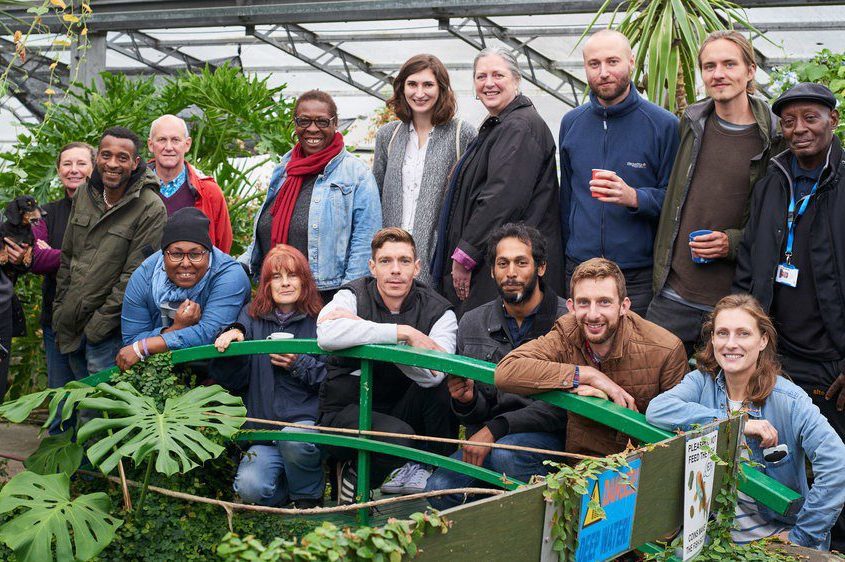
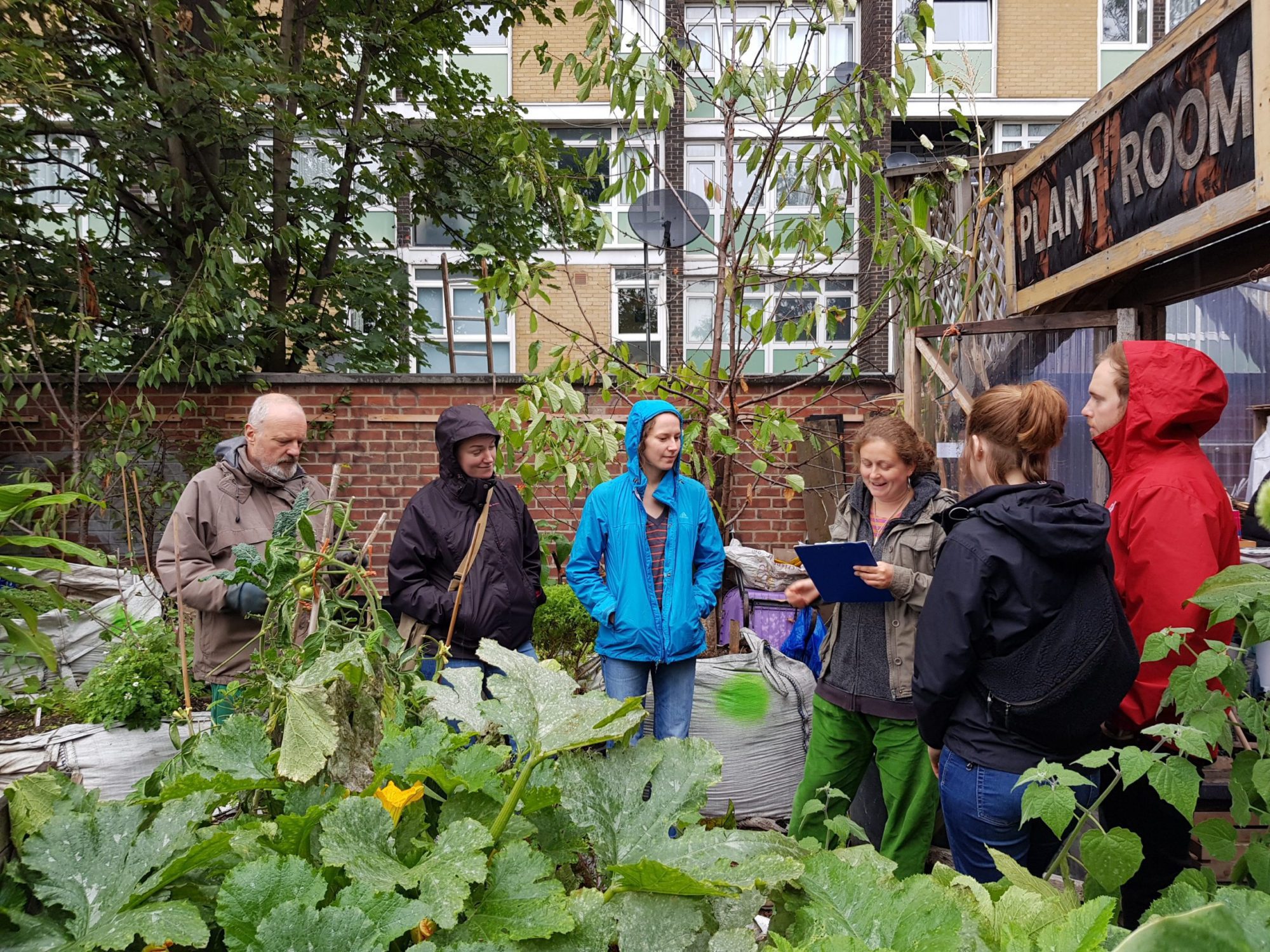
The Loughborough Farm was launched in 2013 and uses a patchwork of growing spaces around the rail tracks that criss-cross the area and where many of the railway arches are derelict or underused. It grows produce for the café and has an outreach project that delivers free tomato plants for residents on the Loughborough Estate to grow on their balconies.
The Platform Café sits opposite the farm’s main growing space and is open every weekday for lunch, selling healthy vegetarian meals. Without the grant, the group would have run out of money to pay their staff within six months as they were facing a capacity decrease of 25% through lockdown.
Volunteers at the playground delivered weekly food parcels, provided by Lambeth council, and breakfast boxes to 30 families, socially isolated individuals, provided with funding from Guy’s & St Thomas’ Charity.

The café has raised funds to provide emergency support in the area including free vegetarian meals for those in need, and mortuary workers at nearby King’s College Hospital. The group is working with local social enterprise AGT on a digital inclusion project, providing reconditioned donated computers to the digitally excluded.
The free meals service has been able to keep going through the pandemic with the additional funding. It has also employed a young person for four hours a week to deliver takeaway meals from their cargo bike. This grant has helped fund a programme of health and wellbeing workshops, including regular grief walks through local parks; laughing yoga, fermenting, drumming, body positivity and spoon carving, some online and some in local parks.