Grimsby is one of the most deprived areas in the UK. Levels of crime are high. Qualification levels and earnings are below average. Housing quality is poor. But several community groups are determined to transform the town into a better place for local people – and for new social businesses to set up and thrive. Their work has helped shape the local authority’s investment in the area.

Creating a shared vision
Jason Stockwood is co-founder of Our Future, an organisation bringing people together to create the future they want for their communities. He’s also the former Chairman of Grimsby Town Football Club, before being appointed UK Minister for Investment in September 2025. When we spoke to Jason as part of our ‘Economic contribution of community business‘ research, he said, “Grimsby is disconnected from policymaking. This means people leading change aren’t supported and are often blocked.”
To address this, Our Future engaged over 1,000 people in 2024 as part of the Grimsby Together conversation, asking them what they envision for the town’s future. Participants said they wanted a positive, inclusive culture that welcomes new residents and retains young people, as well as support for reviving empty or neglected commercial and residential properties.
This conversation helped shape the local authority’s Greater Grimsby Town Investment Plan in 2020 – also known as the Grimsby Plan – developed as part of the government’s Long-Term Plan for Towns. It unlocks £20 million of government investment in North East Lincolnshire over the next ten years, including support for community businesses in Grimsby. This funding will help community businesses to launch and grow, and to take ownership of vacant buildings to transform them into community assets.
One of the community businesses feeding into conversations about local regeneration and social economic growth is East Marsh United (known as EMU). In 2017, Billy Dasein and other local residents started clearing alleys of rubbish and sweeping streets. Soon, they noticed that empty properties were contributing to the neighbourhood’s problems.

The homes will now be in community ownership, and as the group is a community benefit society, any profit is reinvested back into their work. So far, they have raised over £800,000, including from letting out the properties as forever homes.
Now, the team has set their sights further – with ambitions to buy more houses and build their nest.
Jason said: “The problem that lots of people face is that the story of Grimsby is a story of decline. But people want a united, forward-looking narrative, rooted in the history of the area. Our football club has that – going back to the 19th century – it feels like there’s a really strong tie of identity there”.
For every £100,000 invested in East Marsh United, Grimsby Town Football Club invests a further £10,000.

Collaborating, connecting and tackling grant dependency
Securing sustainable funding is very often a challenge for many community businesses. Centre4, an anchor organisation for Grimsby’s community businesses, was established with grant support from Power to Change. It was one of six ‘catalyst’ organisations to receive up to £1 million through our Empowering Places Programme, designed to support community businesses in areas experiencing high levels of deprivation.
This funding supported the set-up of an award-winning Ethical Recruitment Agency (ERA), which has resulted in 70 people employed in the area. The local council relied on ERA to help fill vacancies in the care sector that arose at short notice during the Covid-19 pandemic. Susan Harrison from Centre 4 said: “The income from this saw us through for a few years. Now the council is coming straight to us for staff.”
Now, there are plans to set up a bank of youth workers to tackle the town’s lack of youth provision and unemployment rates. She said, “The idea is that it [ERA] becomes financially viable and stands on its own two feet.”
Susan said: “The initial funding did such a good job of getting Centre4 up and running and achieving outcomes. But then you get to a stage where we need to grow more to become sustainable. It’s a massive challenge.”
Centre4, the largest community hub in the area, is home to 14 social businesses and provides a nursery, café, shop, gym and more. It has a long-term lease on a former school building.
Centre4 is finding ways of supporting other local community businesses and enhancing their financial sustainability as they develop. They take a holistic approach to working together to deliver benefits for their community.
One of their key projects is Nunny’s Farm. The farm provides opportunities to interact with animals that might not otherwise be accessible to a deprived, urban community.
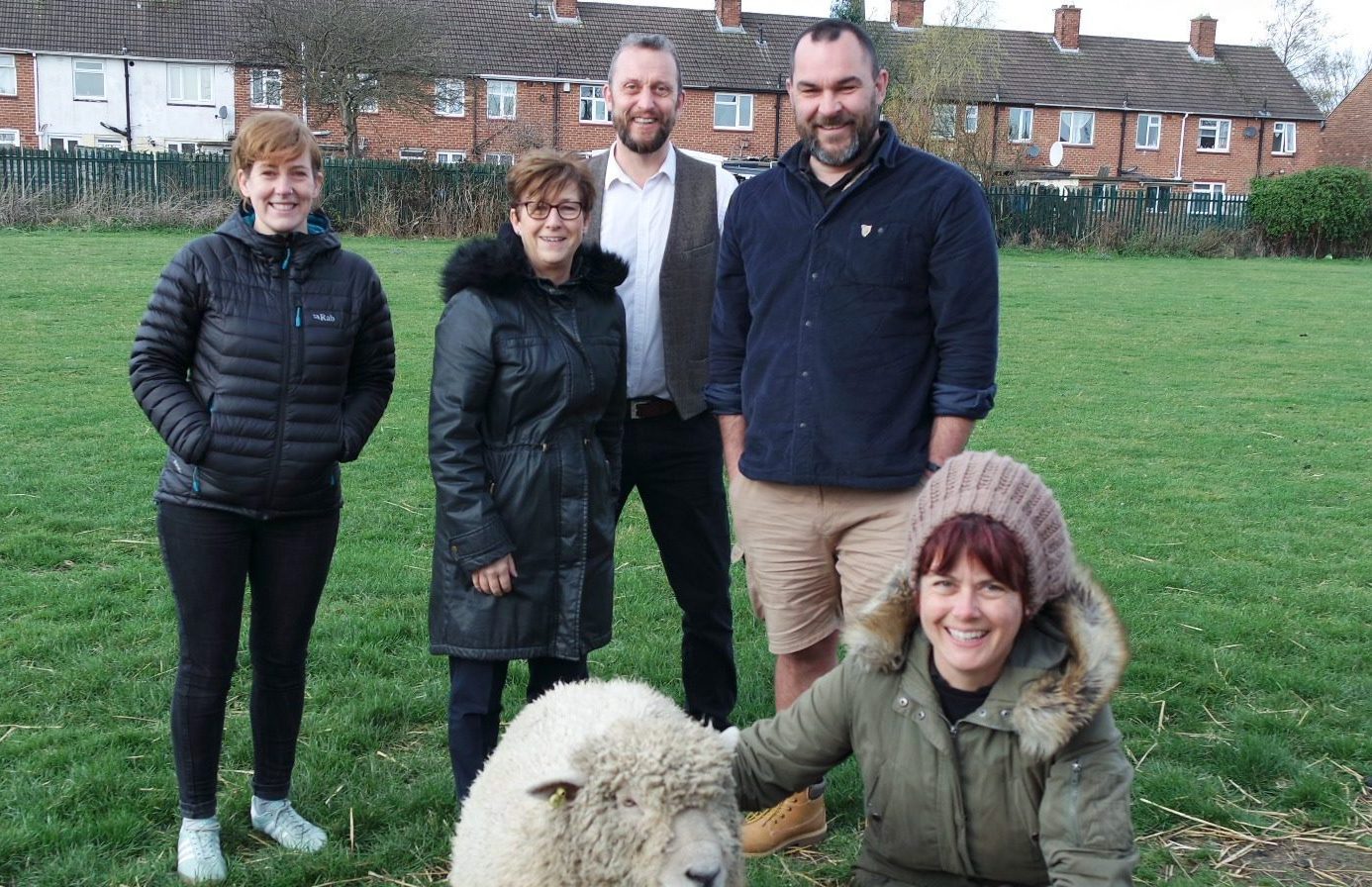
The farm hires eight full-time staff and 25 volunteers, offering activities for individuals with diverse needs and vulnerable groups of people in the community. It has become a local tourist attraction, attracting up to 30,000 people each year, meaning income circulates locally.
But Centre4 isn’t an exception. A whole ecosystem of community businesses brings social and economic benefits to Grimsby – while working to be self-sufficient. Together, the community businesses in Grimsby generate around £7.9 million in direct Gross Value Added (GVA), a key measure of economic contribution.
Grimsby Community Energy is one such example. They support community organisations to switch to renewable energy while providing local work placement opportunities for young people. All of Grimsby Community Energy’s projects are now financially independent, having grown from Power to Change’s initial start-up loan and support with a community share offer.
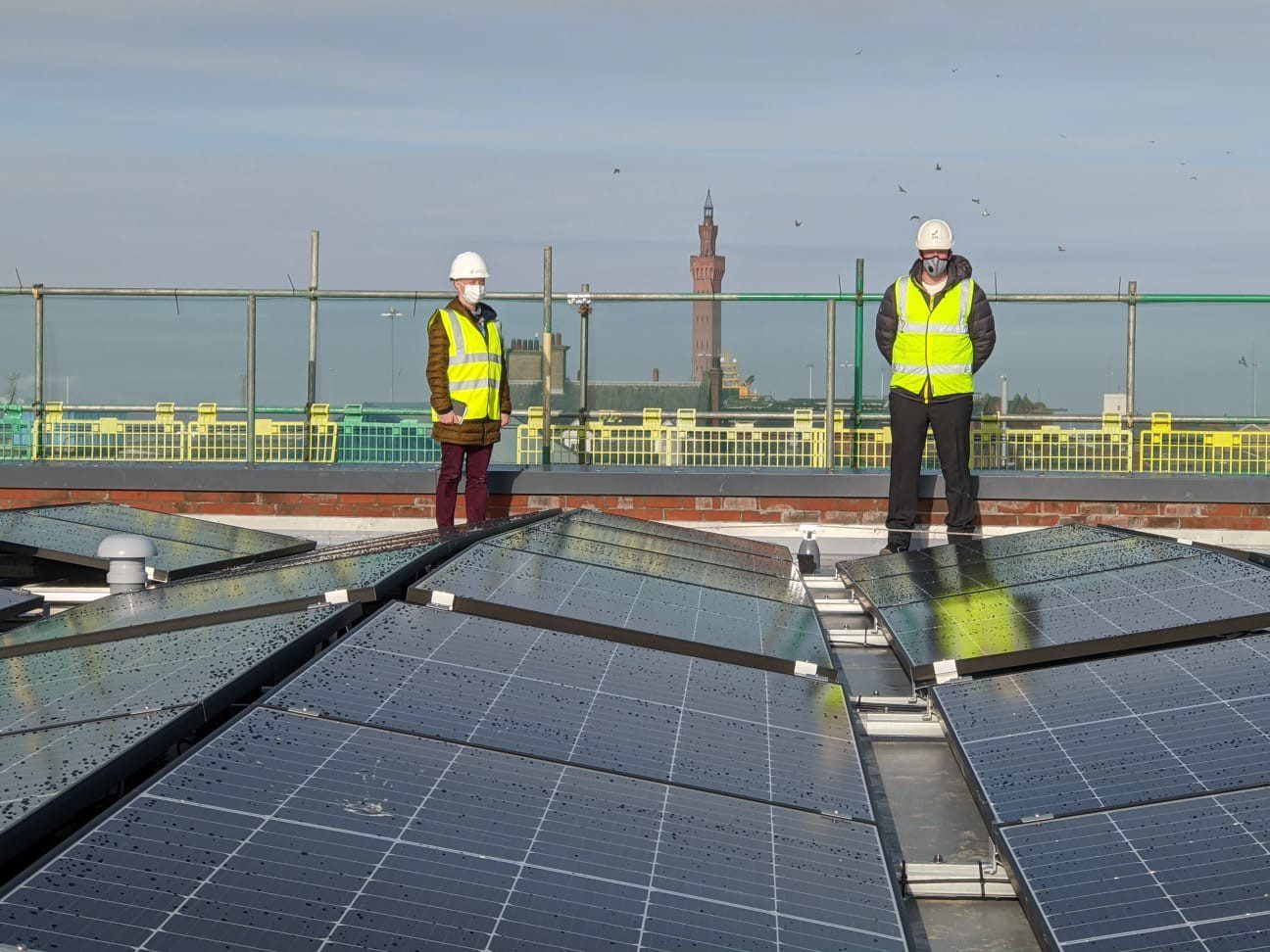
Together, these organisations – supported by the local authority’s plan to grow the social economy – are helping to reshape Grimsby from the ground up. By circulating money in the local economy, providing services tailored to local needs, and creating opportunities for residents, they’re laying the foundations for inclusive growth that communities can take pride in.