
Study visits | Civic High Street Collective
The Civic High Street Collective brings partners together to champion a mixed-use, civic model where high streets are reimagined as places for local services, heritage and culture, community and housing. Across the country, there are inspiring examples of what’s possible. But action is needed to scale this approach and make it the norm.
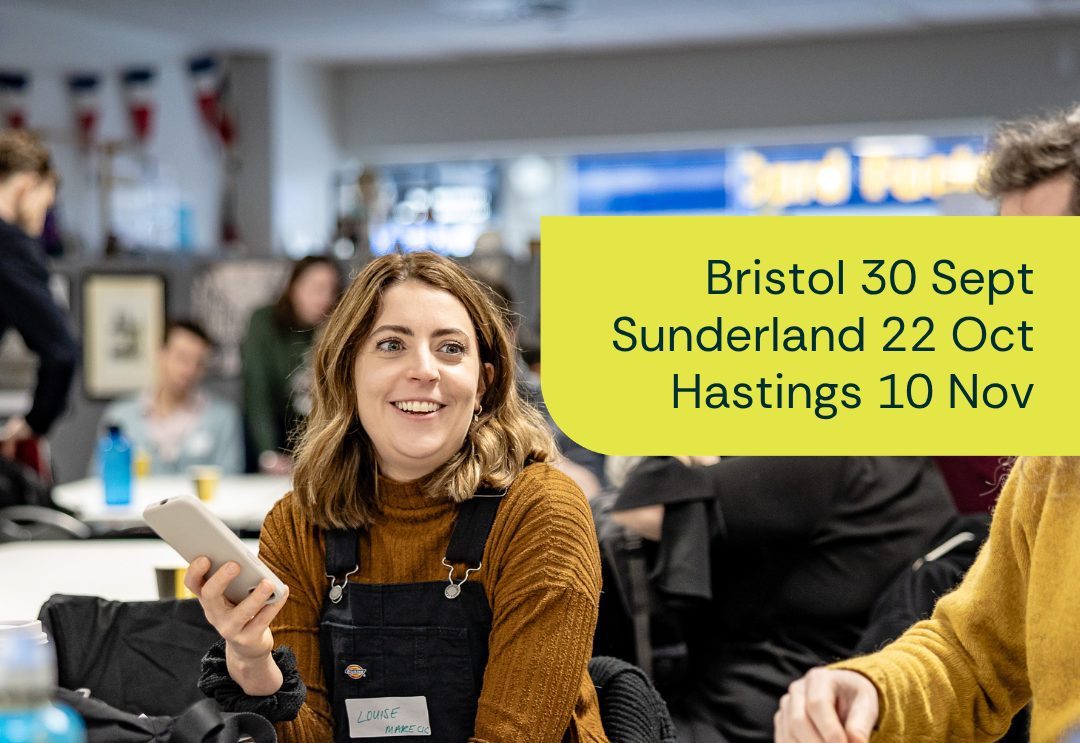
Join a visit to Bristol, Sunderland or Hastings this autumn to see the civic high street in action. Capacity is limited, so please register your interest, and we will confirm your place at least two weeks ahead of the visit.
These events are being run in collaboration with the Royal Society of Arts and will welcome Fellows from their network alongside members of the Civic High Street Collective.
When and where?
Wednesday 30 September – Bristol, hosted by Artspace Lifespace
Topic: Do we currently have a viable pathway from meanwhile use to community ownership? Communities are often successful in activating vacant spaces, but many struggle to transition from temporary use to more secure forms occupation or ownership. What practical changes, such as transforming investment opportunities to prioritise socially impactful returns, would help bridge the gap between temporary use and long-term stewardship?
Thursday 22 October – Hendon, Sunderland, hosted by Back on the Map
Topic: Can the high street become the front door to public services? Too many communities now experience public services as distant, fragmented or difficult to navigate. Could the civic high street become a new hub for public service access and delivery, and what partnerships, governance models and investment would be needed to make this work?
Tuesday 10 November – Hastings, hosted by Hastings Commons
Topic: How can mixed-use spaces support thriving high streets? Mixed-use spaces are a key feature of the civic high street model, delivering a combination of community space, public services, heritage, housing, cultural and commercial uses within a single asset or portfolio. What makes these models sustainable in practice, and how can practitioners create the right mix to meet local needs and build more resilient high streets?
